Paid advertising is one of the fastest ways for businesses to generate traffic, leads, and sales online. While organic marketing strategies such as SEO and content marketing take time to produce results, paid advertising allows businesses to reach their target audience almost immediately.
Platforms such as Google Ads and social media advertising networks provide powerful tools that allow marketers to target specific audiences based on search intent, demographics, interests, and online behavior.
However, successful advertising campaigns require careful planning and optimization. Without the right strategy, businesses may spend significant amounts of money without achieving meaningful results.
Artificial Intelligence (AI) is transforming paid advertising by helping marketers analyze audience data, generate ad creatives, optimize campaigns, and improve performance over time.
In this article, we will explore how businesses can build a powerful paid advertising strategy using AI, focusing on Google Ads and social media advertising platforms.
This article is part of our complete guide:
The AI Digital Marketing Framework: 30 AI Prompts to Build and Scale Your Marketing Strategy.
Understanding the Role of Paid Advertising
Paid advertising allows businesses to promote their products or services directly to people who are most likely to be interested in them.
Unlike organic content, which depends on search rankings or social media algorithms, paid advertising guarantees visibility by placing ads in strategic positions.
Benefits of Paid Advertising
Immediate traffic
Advertising campaigns can begin generating visitors as soon as they are launched.
Precise audience targeting
Platforms allow advertisers to target audiences based on various characteristics.
Scalable marketing
Advertising budgets can be increased as campaigns begin to generate profitable results.
Measurable performance
Marketers can track campaign metrics and adjust strategies based on real data.
These advantages make paid advertising an essential component of modern digital marketing strategies.
Google Ads Campaign Structure
Google Ads is one of the most powerful advertising platforms because it allows businesses to appear in search results when users are actively looking for solutions.
A well-organized Google Ads campaign typically follows a structured hierarchy.
Campaign Level
The campaign level defines the overall goal of the advertising effort.
Examples include:
• website traffic
• lead generation
• product sales
• brand awareness
Campaign settings also include geographic targeting, budget allocation, and bidding strategies.
Ad Group Level
Ad groups organize related keywords and advertisements within a campaign.
For example, a digital marketing training company might create separate ad groups for:
• SEO training courses
• social media marketing courses
• AI marketing workshops
Each ad group contains keywords that are closely related to a specific topic.
Keyword Strategy
Keywords determine when advertisements appear in search results.
Types of keyword match options include:
Broad match
Ads appear for related search terms.
Phrase match
Ads appear when users search phrases closely related to the keyword.
Exact match
Ads appear only when users search for the exact keyword phrase.
Carefully selecting keywords helps ensure that ads reach the most relevant audiences.
Ad Copy Optimization
Effective advertisements include clear and compelling messages that encourage users to take action.
Strong ad copy usually includes:
• a clear value proposition
• a benefit-focused message
• a strong call to action
Examples of calls to action include:
• Learn more
• Get started today
• Register for free
Facebook and Instagram Advertising Strategy
Social media advertising platforms such as Facebook and Instagram provide powerful audience targeting capabilities.
Instead of targeting users based on search intent, social media ads target people based on their interests and behaviors.
Types of Social Media Ad Campaigns
Brand awareness campaigns
Designed to introduce a brand to new audiences.
Traffic campaigns
Encourage users to visit a website or landing page.
Lead generation campaigns
Collect user contact information through forms or sign-up pages.
Conversion campaigns
Encourage users to complete specific actions such as purchasing a product.
Each campaign type serves a different purpose in the marketing funnel.
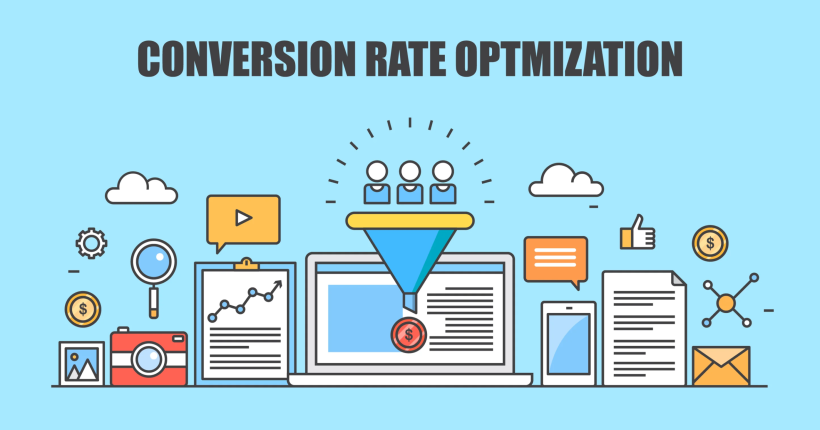
Building an Advertising Funnel
Successful advertising campaigns often follow a marketing funnel structure.
Instead of trying to sell immediately, businesses guide potential customers through several stages.
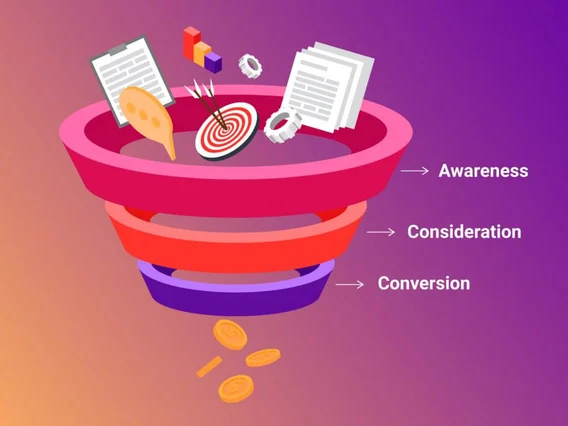
Awareness Stage
At this stage, advertisements introduce the brand to new audiences.
Content often focuses on education or problem awareness.
Consideration Stage
In this stage, audiences are already familiar with the brand and are evaluating possible solutions.
Advertisements may promote case studies, guides, or product demonstrations.
Conversion Stage
The final stage focuses on encouraging users to take action, such as purchasing a product or registering for a service.
Advertisements may include limited-time offers or strong calls to action.
This funnel approach helps businesses build relationships with potential customers before asking them to make a purchase.
How Artificial Intelligence Improves Paid Advertising
AI technology is making advertising more efficient and data-driven.
AI Audience Targeting
AI systems can analyze large datasets to identify audiences most likely to respond to advertisements.
AI Ad Copy Generation
AI writing tools can generate multiple ad copy variations quickly.
This allows marketers to test different messaging styles.
AI Bid Optimization
Some advertising platforms use machine learning algorithms to automatically adjust bids in order to maximize campaign performance.
AI Campaign Analytics
AI analytics tools can analyze advertising performance and recommend improvements.
These insights help marketers refine their campaigns over time.

AI Prompt for Creating an Advertising Strategy
Businesses can use AI prompts to generate detailed advertising plans.
Example Prompt
“Create a paid advertising strategy for [company or brand]. Include Google Ads campaign structure, keyword strategy, Facebook and Instagram advertising campaigns, budget recommendations, and conversion funnel strategy.”
This prompt helps generate a structured advertising plan.
Best Practices for Paid Advertising Success
Businesses can improve advertising performance by following several important practices.
Start with clear goals
Define whether the campaign is focused on traffic, leads, or sales.
Use highly targeted audiences
Precise targeting improves ad relevance and performance.
Test multiple ad variations
A/B testing different headlines, images, and calls to action helps identify the most effective ads.
Monitor campaign performance
Regular analysis of metrics such as click-through rate and conversion rate helps optimize campaigns.
Conclusion
Paid advertising is one of the most effective ways to drive targeted traffic and generate leads in digital marketing. By combining search advertising platforms such as Google Ads with social media advertising networks, businesses can reach audiences at different stages of the customer journey.
Artificial Intelligence is making paid advertising more powerful by helping marketers analyze data, generate ad content, optimize bids, and improve campaign performance.
When businesses combine strategic planning with AI-powered tools, they can build advertising campaigns that deliver measurable results and support long-term business growth.
Continue Learning
This article is part of the AI Digital Marketing Framework blog series.
To explore the complete system with 30 AI marketing prompts covering branding, strategy, SEO, content marketing, social media, advertising, automation, and analytics, read the full guide below.
Read the Full Guide:
The Complete AI Digital Marketing Framework: 30 AI Prompts to Build and Scale Your Marketing Strategy