
Artificial Intelligence is transforming the way modern businesses approach digital marketing. What once required large marketing teams, extensive research, and weeks of planning can now be accomplished much faster with the help of AI-powered tools. From generating business ideas to optimizing advertising campaigns, artificial intelligence is enabling marketers to work more efficiently and make better strategic decisions.
For entrepreneurs and marketing professionals, this shift presents a powerful opportunity. By learning how to use AI strategically, businesses can accelerate their growth while reducing the time spent on repetitive tasks such as research, content planning, and campaign optimization.
However, using AI effectively requires more than simply asking random questions. The real power of AI comes from structured prompts and strategic frameworks that guide the tool to produce meaningful insights and actionable marketing strategies.
This article introduces the 30-Stage AI Digital Marketing Prompt Framework, a step-by-step system that takes a business from the earliest idea stage all the way to advanced marketing optimization. Each stage focuses on a specific part of the digital marketing process and includes a practical AI prompt that can be used to generate ideas, strategies, and marketing assets.
The framework is divided into six major phases:
• Foundation and Brand Identity
• Market Research and Strategic Planning
• Website and Digital Presence Development
• Content Marketing and Audience Engagement
• Social Media Marketing and Community Growth
• Paid Advertising, Automation, and Optimization
By following these stages sequentially, businesses can build a complete AI-driven marketing system that is structured, scalable, and highly adaptable to changing market conditions.
Whether you are a startup founder, a marketing professional, or a student learning digital marketing, this framework can serve as a comprehensive roadmap for building and executing a modern AI-powered marketing strategy.
PHASE 1: FOUNDATION & BRAND IDENTITY
Before launching marketing campaigns or creating promotional content, businesses must first establish a strong foundation. This foundation includes defining the business idea, creating a brand identity, and developing clear messaging that communicates value to the target audience.
Without a solid foundation, marketing efforts often become inconsistent and ineffective. A clear brand identity ensures that all marketing activities—from website content to social media posts—communicate a consistent message and create a recognizable brand experience.
The first five stages of this framework focus on building that foundation.
Stage 1 – Business Concept Development
Every successful business begins with a well-defined concept. A strong concept clearly identifies three essential elements: the target audience, the problem being solved, and the unique solution offered by the business.
Many entrepreneurs struggle during this stage because they attempt to build businesses around vague ideas rather than focusing on specific problems faced by real customers. Without a clearly defined problem and audience, it becomes difficult to develop products, services, or marketing strategies that resonate with potential buyers.
Artificial Intelligence can significantly accelerate the idea development process by helping entrepreneurs brainstorm business opportunities based on market needs and industry trends. Instead of spending weeks conducting manual research, AI tools can generate multiple business ideas within minutes, each supported by strategic reasoning and potential revenue models.
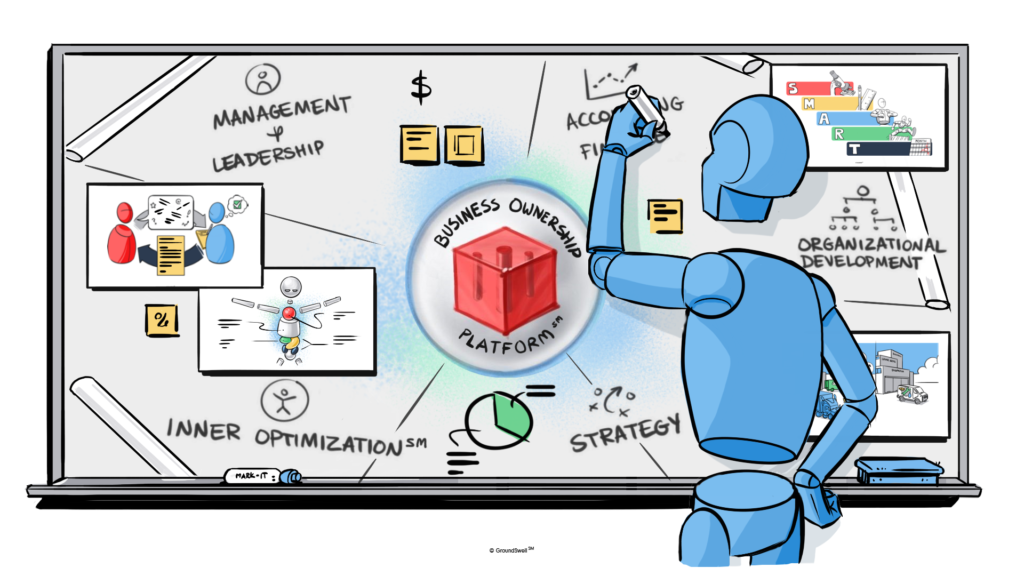
Using AI in this stage allows founders to explore a wider range of opportunities, analyze different business models, and identify ideas that have strong market potential. This process also helps refine the overall concept before investing time and resources into building the business.
By combining human creativity with AI-driven insights, entrepreneurs can develop business ideas that are both innovative and strategically viable.
AI Prompt
“I’m starting a business in [industry]. My target audience is [description of audience], and I want to solve [specific problem]. Generate five unique business ideas with detailed descriptions, potential revenue models, and competitive advantages for each idea.”
Stage 2 – Company Name Generation
Once a business concept has been established, the next step is choosing a name that represents the brand effectively. A company name is one of the most important elements of branding because it becomes the first point of recognition for customers.

A strong brand name should be memorable, easy to pronounce, and aligned with the business’s mission and values. It should also be flexible enough to grow with the business over time. Some brands choose descriptive names that clearly explain what the company does, while others prefer short, abstract names that create curiosity and uniqueness.
AI tools can assist in generating dozens of potential company names by analyzing language patterns, branding trends, and industry keywords. This allows entrepreneurs to explore multiple naming styles, including descriptive names, invented words, compound names, and modern brandable terms.
When evaluating potential names, it is also important to consider domain availability, search engine visibility, and social media handles. A name that works well across digital platforms will make it easier for customers to find and remember the brand.
AI-assisted name generation can dramatically expand the pool of creative ideas and help businesses identify names that balance memorability, clarity, and marketing potential.
AI Prompt
“Based on my business concept [describe concept], generate 20 company name ideas. Include a mix of short memorable names, descriptive names, invented brand words, and modern startup-style names. For each name, explain the meaning and potential marketing value.”
Stage 3 – Logo Concept & Visual Identity
Visual identity plays a critical role in shaping how customers perceive a brand. When people encounter a company for the first time, visual elements such as logos, colors, and typography often influence their initial impression.
A well-designed logo can communicate professionalism, credibility, and brand personality. It serves as the visual symbol that represents the company across websites, social media platforms, advertisements, and marketing materials.
Developing a visual identity involves more than simply creating a logo. It also includes selecting a color palette, choosing typography styles, and defining the overall design language used across marketing assets.
Color psychology is particularly important in branding. Different colors evoke different emotional responses. For example, blue often conveys trust and reliability, while green is associated with growth and sustainability. Red can signal energy and urgency, while purple may represent creativity and luxury.
AI tools can help generate logo concepts by suggesting different visual styles, color combinations, and typography systems based on the brand’s industry and target audience. These concepts provide a starting point that designers can refine and develop into a cohesive visual identity.
By exploring multiple logo directions early in the branding process, businesses can identify a visual style that aligns with their positioning and appeals to their intended audience.
AI Prompt
“For my company [company name] in the [industry] sector, create five distinct logo concept ideas. For each concept, describe the visual style (minimalist, bold, modern, corporate, or playful), the recommended color palette and its psychological meaning, typography suggestions, and how the design would appeal to [target audience].”
Stage 4 – Tagline & Brand Messaging
A tagline is a short phrase that captures the essence of a brand and communicates its core promise to customers. While a company name identifies the business, the tagline explains the value it delivers.
Effective taglines are clear, memorable, and emotionally engaging. Some taglines emphasize functional benefits, while others highlight emotional outcomes or brand philosophy.

For example, a benefit-focused tagline might emphasize efficiency or cost savings, while an emotional tagline might focus on empowerment, inspiration, or transformation.
Developing multiple tagline variations allows businesses to explore different messaging angles and determine which resonates most strongly with their audience.
AI tools can generate a wide range of tagline ideas quickly by analyzing the brand’s mission, audience needs, and market positioning. These suggestions can then be refined into a final tagline that aligns with the brand’s identity and long-term marketing strategy.
A powerful tagline can strengthen brand recognition and create a consistent message across advertising campaigns, websites, and social media platforms.
AI Prompt
“Create 15 tagline options for [company name] that communicates what the company does and the value it delivers. Include benefit-focused taglines, emotional taglines, action-oriented phrases, and memorable brand slogans. For each tagline, explain the strategic reasoning behind it.”
Stage 5 – Brand Voice & Personality
While visual identity shapes how a brand looks, brand voice defines how it communicates. A clear and consistent voice helps create a recognizable brand personality and builds stronger relationships with customers.
Brand voice includes tone, language style, messaging approach, and emotional attitude. Some brands communicate in a professional and authoritative tone, while others adopt a friendly, conversational style that feels more personal and approachable.
Establishing a brand voice guide ensures that all marketing content—from website copy to social media captions—remains consistent across platforms.
A brand voice guide typically includes personality traits, tone examples, vocabulary guidelines, and messaging principles that reflect the company’s values and positioning.
AI can help develop a comprehensive voice framework by analyzing the brand’s audience, industry, and communication goals. This framework can then serve as a reference for content creators, marketers, and customer support teams.
By maintaining a consistent voice across all interactions, businesses can strengthen their brand identity and create a more cohesive customer experience.
AI Prompt
“Define a complete brand voice guide for [company name]. Include three to five key personality traits, tone examples for different communication scenarios, words the brand should commonly use, words to avoid, core brand values, and the overall perception the brand wants customers to have.”
PHASE 2: MARKET RESEARCH & STRATEGIC PLANNING
Once the brand foundation has been established, the next step is understanding the market environment in which the business will operate. Even the most innovative products can struggle if they are introduced into a market without proper research or strategic positioning.
Market research allows businesses to identify their ideal customers, understand competitor strategies, and discover opportunities where they can differentiate themselves. Without this insight, marketing efforts often become unfocused and inefficient.

Strategic planning transforms market insights into actionable goals and marketing initiatives. It helps businesses determine which audiences to target, what messages to communicate, and which marketing channels to prioritize.
Artificial Intelligence can significantly improve this process by analyzing data, generating audience insights, and identifying patterns across industries. By using AI prompts, marketers can accelerate research and develop strategies that are both data-informed and strategically aligned with business goals.
The following stages focus on building a strong market understanding and translating that knowledge into a clear marketing strategy.
Stage 6 – Target Audience Personas
One of the most important elements of successful marketing is a deep understanding of the target audience. Businesses must know who their customers are, what challenges they face, and what motivates them to make purchasing decisions.
Target audience personas help marketers visualize their ideal customers. A persona is a detailed representation of a specific customer segment, including demographic information, behavioral patterns, motivations, and frustrations.
For example, a company selling productivity software may have one persona representing startup founders and another representing corporate managers. Each group has different needs, priorities, and decision-making processes.
Developing detailed personas helps businesses create marketing messages that resonate with specific audiences rather than attempting to appeal to everyone. It also helps determine which marketing channels are most effective for reaching those audiences.
AI tools can generate detailed persona profiles by analyzing the product, industry, and target market. These insights help marketers understand the emotional and practical motivations that influence purchasing decisions.
When businesses clearly understand their customers, they can design marketing strategies that address real problems and deliver meaningful value.
AI Prompt
“Create three detailed buyer personas for [company or product]. For each persona include the following: demographics (age, profession, location), psychographics (values, motivations, lifestyle), major pain points, primary goals, buying behavior, preferred communication channels, potential objections, and a short day-in-the-life scenario.”
Stage 7 – Competitive Analysis
In every industry, businesses compete for the attention and trust of customers. Understanding the competitive landscape is essential for identifying opportunities and developing effective positioning strategies.
Competitive analysis involves examining other companies in the same market to understand how they attract customers, what marketing channels they use, and how they communicate their value proposition.

By analyzing competitors, businesses can identify strengths to learn from and weaknesses to improve upon. This process often reveals gaps in the market that can be leveraged to create a unique competitive advantage.
For example, competitors may focus heavily on paid advertising but neglect content marketing, or they may target enterprise clients while ignoring smaller businesses. Recognizing these patterns can help businesses position themselves differently.
AI tools can accelerate competitive analysis by quickly summarizing competitor strategies across websites, social media platforms, and content marketing channels.
This allows marketers to gain a clear overview of the competitive environment and identify areas where their brand can stand out.
AI Prompt
“Analyze my top five competitors in the [industry or niche] market. For each competitor evaluate their brand positioning, primary marketing channels, content strategy, social media presence, strengths, weaknesses, and potential opportunities where my business could differentiate itself.”
Stage 8 – Unique Value Proposition
Once businesses understand their target audience and competitors, the next step is defining their Unique Value Proposition (UVP).
A value proposition clearly explains why customers should choose one brand over another. It answers a simple but critical question: What makes this business different and valuable to customers?
A strong value proposition focuses on customer benefits rather than product features. It should communicate how the product or service solves a problem, improves a situation, or delivers a meaningful advantage.
For example, a project management tool might differentiate itself by emphasizing simplicity and speed, while another might focus on advanced features for large teams.
A well-crafted UVP becomes the foundation for all marketing messaging. It influences website copy, advertising campaigns, social media content, and sales conversations.
AI tools can help craft compelling value propositions by combining insights from audience personas and competitive analysis.
AI Prompt
“Based on my target audience description and competitor analysis, create a compelling unique value proposition for [company name]. Include a main value statement, three supporting benefit pillars, proof points that build credibility, and recommendations for how to communicate this value across marketing channels.”
Stage 9 – Marketing Goals & Key Performance Indicators (KPIs)
A marketing strategy must be supported by clear goals and measurable metrics. Without defined objectives, it becomes difficult to determine whether marketing efforts are successful or where improvements should be made.

Setting clear marketing goals allows businesses to focus their efforts on specific outcomes such as increasing brand awareness, generating leads, or improving customer retention.
The most effective marketing goals follow the SMART framework, meaning they are specific, measurable, achievable, relevant, and time-bound.
Key Performance Indicators (KPIs) are the metrics used to track progress toward these goals. For example, a business aiming to increase brand awareness might track website traffic and social media reach, while a business focused on lead generation might measure email signups and conversion rates.
AI can assist in defining realistic goals and identifying appropriate metrics for measuring marketing performance.
AI Prompt
“Set SMART marketing goals for [company name] for the next six to twelve months. Include goals for brand awareness, audience engagement, lead generation, customer conversion, and revenue growth. Recommend specific KPIs and tools that can be used to track each metric.”
Stage 10 – Marketing Budget Allocation
Even the most effective marketing strategies require proper resource allocation. A marketing budget determines how much investment is available for activities such as advertising, content creation, marketing software, and promotional campaigns.
Businesses must balance short-term marketing tactics that generate immediate results with long-term strategies that build sustainable growth.
For example, paid advertising can generate quick traffic and leads, while content marketing and search engine optimization build long-term organic visibility.
A well-structured budget ensures that resources are distributed effectively across multiple marketing channels. It also helps businesses avoid overspending on tactics that deliver limited returns.
AI tools can assist in recommending budget allocations based on company size, industry benchmarks, and growth goals.
This helps businesses create realistic marketing investment plans while maximizing the potential return on investment.
AI Prompt
“Create a marketing budget allocation plan for [company name] with a total budget of [$X or percentage of revenue]. Distribute the budget across paid advertising, content marketing, SEO, social media management, marketing tools, and email marketing. Provide reasoning for each allocation.”
PHASE 3: WEBSITE & DIGITAL PRESENCE
After defining the brand and developing a strategic understanding of the market, the next step is building a strong digital presence. In today’s digital-first environment, a company’s website acts as the central hub for all marketing activities.

Whether customers discover a brand through search engines, social media, paid advertising, or email campaigns, they often end up visiting the company’s website before making a purchasing decision. Because of this, the website must clearly communicate the brand’s value proposition, provide helpful information, and guide visitors toward meaningful actions.
A well-structured website does more than present information. It supports marketing goals by converting visitors into leads, subscribers, or customers. Elements such as page structure, persuasive copywriting, search engine optimization, and lead generation tools all play important roles in building a successful digital presence.
Artificial Intelligence can assist in designing website architecture, generating optimized content, and identifying opportunities to improve user experience. By combining strategic thinking with AI-powered insights, businesses can create websites that not only attract visitors but also convert them into long-term customers.
The following stages focus on building the key components of a high-performing digital presence.
Stage 11 – Website Structure & Sitemap
The structure of a website determines how easily visitors can navigate the content and find the information they need. A clear and logical sitemap improves user experience while also helping search engines understand the organization of the website.
A typical business website includes several essential pages such as a homepage, about page, product or service pages, blog section, and contact page. Each page serves a distinct purpose within the customer journey.
For example, the homepage introduces the brand and communicates its primary value proposition. Product or service pages provide detailed information about offerings, while the blog section delivers educational content that attracts visitors through search engines.
When designing a sitemap, businesses should consider both user navigation and search engine optimization. A well-organized structure ensures that important pages are easy to find and that search engines can index the website efficiently.
Artificial Intelligence can assist in generating sitemap ideas based on the company’s business model and marketing goals. These recommendations help businesses organize their website content in a way that supports both usability and visibility.
AI Prompt
“Design a complete website sitemap for [company name]. Include the homepage structure, service or product pages, about page, blog section, contact page, and any additional specialty pages. Explain the purpose and key content elements for each page.”
Stage 12 – Homepage Copywriting
The homepage is often the first impression visitors have of a business. Within a few seconds, visitors decide whether the website is relevant to their needs or whether they should leave and look elsewhere.
Effective homepage copy communicates the brand’s value clearly and quickly. It should answer three essential questions for visitors: what the company does, who it serves, and why it is different from competitors.
A strong homepage typically includes a compelling headline, a supporting subheadline, a section that highlights key benefits, social proof elements such as testimonials or case studies, and clear calls to action.
Instead of focusing only on product features, homepage copy should emphasize the benefits customers receive. Visitors are more interested in how a product or service improves their situation than in technical specifications.
Artificial Intelligence can help generate persuasive homepage copy by combining information about the target audience, value proposition, and brand messaging.
These AI-generated drafts can serve as a starting point for refining the final website messaging.
AI Prompt
“Write conversion-focused homepage copy for [company or website name] targeting [specific audience]. Include a powerful headline, subheadline, hero section description, key benefits section, social proof section, call-to-action buttons, and a short FAQ.”
Stage 13 – SEO Foundation Strategy
Search engine optimization (SEO) is one of the most important components of a sustainable digital marketing strategy. While paid advertising can generate immediate traffic, SEO helps businesses attract consistent organic visitors over time.
A strong SEO foundation begins with keyword research. Keywords represent the search terms that potential customers type into search engines when looking for information, products, or services.
By identifying high-value keywords related to the business, marketers can create content that aligns with real user search behavior. This increases the chances that the website will appear in search results when potential customers are researching solutions.
SEO also involves optimizing page titles, headings, images, and internal links. Technical elements such as website speed, mobile responsiveness, and proper indexing also affect search engine rankings.
Artificial Intelligence can assist in generating keyword lists, analyzing search trends, and recommending optimization strategies that improve a website’s visibility in search engines.
AI Prompt
“Develop a complete SEO strategy for [company or website]. Provide a list of 30 primary keywords, an on-page SEO optimization checklist, technical SEO recommendations, local SEO strategies if applicable, and a three-month implementation roadmap.”
Stage 14 – Landing Page Strategy
Landing pages are specialized web pages designed to convert visitors into leads or customers. Unlike general website pages, landing pages focus on a single goal such as downloading a resource, registering for a webinar, or purchasing a product.
A high-converting landing page typically follows a structured layout. It begins with a strong headline that captures attention and communicates the main benefit. This is followed by sections that address customer pain points, explain the solution, highlight benefits, and provide supporting proof such as testimonials or case studies.
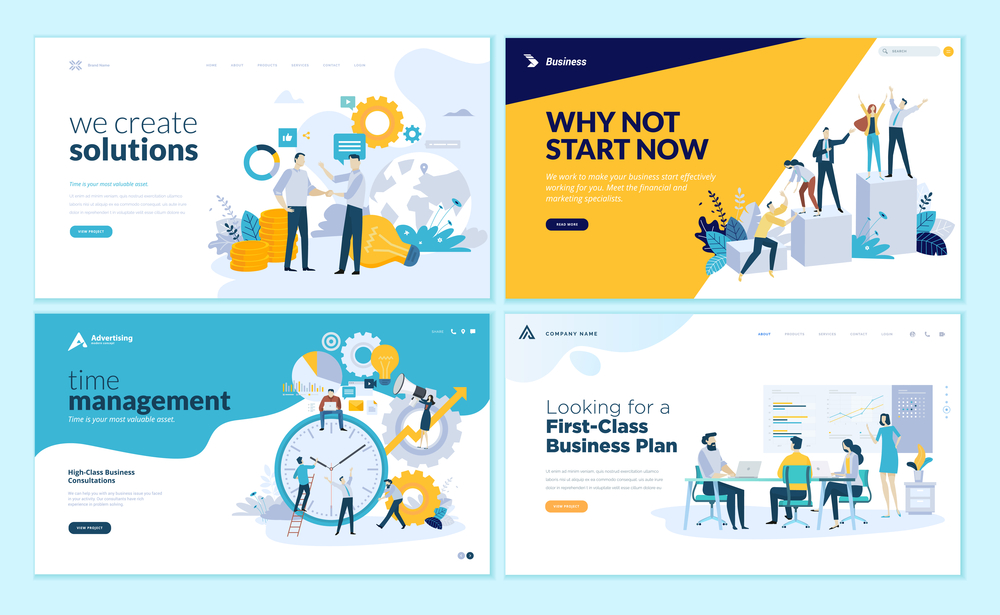
The design of a landing page should minimize distractions and guide visitors toward a specific action. Clear calls to action and persuasive messaging play a key role in encouraging conversions.
Businesses often create multiple landing pages for different audience segments or marketing campaigns. For example, a company might have separate landing pages for advertising campaigns, lead magnet offers, or product launches.
Artificial Intelligence can help marketers generate landing page concepts, messaging ideas, and persuasive copy structures tailored to specific audiences.
AI Prompt
“Create three high-converting landing page concepts for [product, service, or offer]. For each concept include the target audience, headline idea, key pain points to address, benefits to highlight, trust elements such as testimonials, and the recommended call-to-action strategy.”
Stage 15 – Lead Magnet Ideas
Lead magnets are valuable resources offered to potential customers in exchange for their contact information, usually an email address. They play an essential role in building an email list and nurturing relationships with potential customers.
Effective lead magnets solve a specific problem or provide useful information that the target audience finds valuable. Examples include ebooks, checklists, templates, webinars, mini-courses, or calculators.
The key to a successful lead magnet is relevance. The resource should align with the business’s products or services so that the leads generated are more likely to become paying customers in the future.
For example, a digital marketing agency might offer a social media strategy checklist, while a financial consulting firm might offer a budgeting template.
Artificial Intelligence can help generate creative lead magnet ideas by analyzing the target audience’s needs and identifying topics that provide immediate value.
By offering helpful resources, businesses can build trust and establish themselves as experts in their industry.
AI Prompt
“Generate ten lead magnet ideas for [company or industry] that can help grow an email list. Include different formats such as ebooks, templates, checklists, webinars, and tools. For each idea describe the topic, the value it provides, and the target audience segment.”
PHASE 4: CONTENT MARKETING & AUDIENCE ENGAGEMENT
Once a business has established its website and digital infrastructure, the next critical step is attracting and engaging audiences through valuable content. Content marketing is one of the most powerful long-term marketing strategies because it allows businesses to build trust, educate potential customers, and establish authority within their industry.
Unlike traditional advertising, which focuses primarily on promotion, content marketing focuses on providing helpful information that addresses the needs, challenges, and interests of the target audience. When businesses consistently publish valuable content, they position themselves as trusted experts rather than simply sellers of products or services.
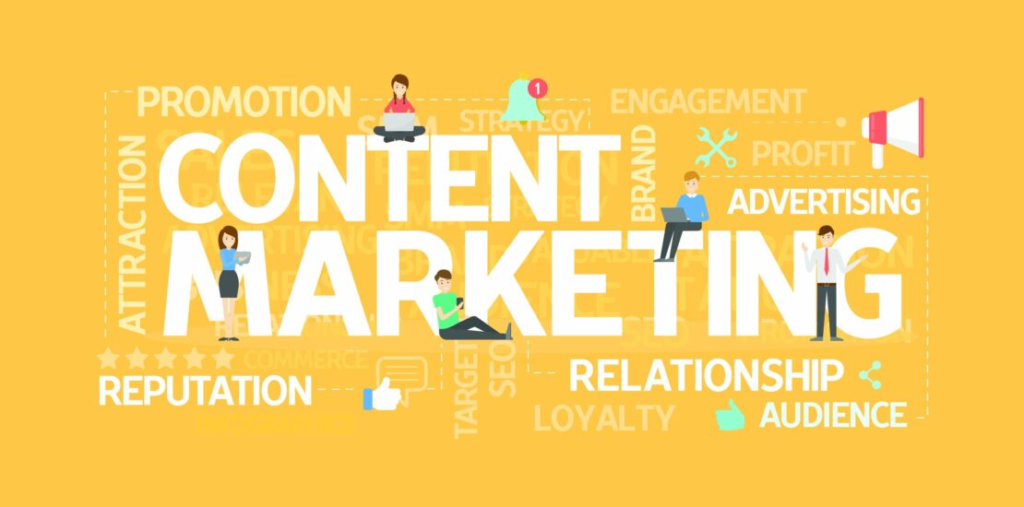
Content marketing also supports other marketing channels. Blog articles improve search engine visibility, videos increase social media engagement, and email newsletters nurture relationships with subscribers over time.
Artificial Intelligence can significantly enhance content marketing efforts by helping marketers generate topic ideas, create outlines, plan content calendars, and optimize content for search engines and audience engagement.
The following stages focus on building a structured content marketing system that consistently attracts and nurtures potential customers.
Stage 16 – Content Pillars & Topics
A successful content marketing strategy begins with defining clear content pillars. Content pillars are the main themes or subject areas that a brand consistently focuses on when creating content.
Instead of publishing random topics, businesses should organize their content around a small number of strategic themes that are relevant to their audience and aligned with their expertise. This approach creates a more cohesive content strategy and helps build topical authority in search engines.
For example, a digital marketing agency might choose content pillars such as social media marketing, search engine optimization, content strategy, and marketing analytics. Each pillar can support dozens of blog articles, videos, and social media posts.
Content pillars also help businesses cover different stages of the buyer journey. Some topics may focus on awareness and education, while others address solution comparisons or purchasing decisions.
Artificial Intelligence can assist in identifying content pillars and generating numerous topic ideas that align with audience interests and keyword opportunities.
AI Prompt
“Establish five content pillars for [company or industry] and generate ten blog post ideas for each pillar. Ensure the topics address different stages of the buyer journey and include opportunities for search engine optimization.”
Stage 17 – Blog Post Outline
Creating high-quality blog content requires careful planning. Before writing an article, it is helpful to develop a clear outline that organizes the information in a logical and engaging structure.
A strong blog outline typically begins with an introduction that captures attention and explains the importance of the topic. The main sections of the article should be divided into clear headings and subheadings that guide readers through the content.
Each section should address a specific idea or problem while providing actionable insights or helpful information. A well-structured article keeps readers engaged and makes it easier for them to understand complex topics.
Additionally, blog posts should include internal links to related articles on the website. Internal linking improves search engine optimization while encouraging readers to explore more content.
Artificial Intelligence can assist in generating detailed blog outlines that follow SEO best practices and logical information flow.
AI Prompt
“Create a detailed blog post outline for an article titled ‘[insert blog title]’ targeting the keyword [primary keyword or audience]. Include an engaging introduction, structured H2 and H3 headings, key points for each section, internal linking opportunities, and a conversion-focused conclusion with a call to action.”
Stage 18 –

Video content has become one of the most effective formats for digital marketing. Platforms such as YouTube, Instagram, TikTok, and LinkedIn increasingly prioritize video content because it generates higher engagement and allows audiences to absorb information quickly.
Video content can serve many purposes within a marketing strategy. Educational videos help explain complex topics, product demonstrations showcase features, and storytelling videos build emotional connections with the audience.
Short-form videos are particularly effective for social media platforms, while longer videos can provide in-depth tutorials, interviews, or educational content.
Another advantage of video marketing is the ability to repurpose content across multiple platforms. For example, a long YouTube video can be transformed into shorter clips for Instagram Reels, TikTok videos, or LinkedIn posts.
Artificial Intelligence can help generate video topic ideas, script outlines, and content repurposing strategies that maximize the reach of each video.
AI Prompt
“Develop a video marketing strategy for [company or brand]. Include 20 video topic ideas, recommended video lengths, the best platforms to prioritize (such as YouTube, Instagram, TikTok, or LinkedIn), a publishing schedule, and strategies for repurposing each video across multiple platforms.”
Stage 19 – Email Newsletter Template
Email marketing remains one of the most effective ways to maintain direct communication with an audience. Unlike social media platforms, where algorithms control visibility, email allows businesses to reach subscribers directly in their inbox.
Email newsletters provide an opportunity to share valuable content, promote new products or services, and maintain an ongoing relationship with customers. A well-designed newsletter keeps subscribers engaged while reinforcing the brand’s authority.
Successful newsletters typically follow a consistent structure. They may begin with a compelling subject line that encourages readers to open the email, followed by a brief introduction, featured content, helpful tips, and a clear call to action.
Personalization can significantly improve email performance. Addressing subscribers by name and tailoring content based on their interests can increase engagement and conversion rates.
Artificial Intelligence can help marketers design newsletter structures, generate subject line ideas, and create engaging email content.
AI Prompt
“Design a newsletter structure for [company name]. Include subject line formulas, header design suggestions, content sections such as company updates and educational tips, personalization elements, and recommendations for call-to-action placement.”
Stage 20 – 90-Day Content Calendar
Consistency is essential for successful content marketing. Publishing high-quality content regularly helps maintain audience engagement while improving search engine visibility.
A content calendar allows businesses to plan their content in advance and maintain a steady publishing schedule. It also ensures that different content formats—such as blog posts, social media updates, videos, and email newsletters—work together as part of a coordinated strategy.
Planning content for a 90-day period provides enough structure to maintain consistency while still allowing flexibility for adjustments based on performance or market trends.
A content calendar should include publishing dates, content topics, formats, responsible team members, and the channels where each piece of content will be distributed.
Artificial Intelligence can help generate structured content calendars that align with marketing goals and audience interests.
AI Prompt
“Create a 90-day content calendar for [company name] across blog posts, social media platforms, video content, and email marketing. Include publishing dates, content topics, formats, and suggestions for how different content pieces can support each other.”
PHASE 5: SOCIAL MEDIA MARKETING & COMMUNITY BUILDING
Social media has become one of the most powerful channels for digital marketing. Platforms such as Instagram, LinkedIn, Facebook, TikTok, and X (Twitter) allow businesses to connect directly with audiences, share valuable content, and build strong communities around their brands.
Unlike traditional advertising channels, social media enables two-way communication between brands and customers. This interaction allows businesses to build relationships, gain insights into audience preferences, and establish credibility through consistent engagement.
However, successful social media marketing requires more than simply posting content regularly. Businesses must develop a strategic approach that defines which platforms to focus on, what type of content to create, and how to engage with audiences effectively.

Each social media platform has its own audience behavior, content style, and algorithm preferences. For example, Instagram prioritizes visual storytelling, LinkedIn focuses on professional insights, and TikTok emphasizes short-form video content.
Artificial Intelligence can help marketers design social media strategies, generate content ideas, create caption templates, and optimize advertising campaigns.
The following stages focus on building a structured social media marketing system that supports brand growth, audience engagement, and customer acquisition.
Stage 21 – Social Media Platform Strategy
Not every social media platform is suitable for every business. One of the most common mistakes companies make is attempting to maintain a presence on too many platforms without a clear strategy.
Instead, businesses should focus on the platforms where their target audience is most active and where their content style fits naturally. For example, a B2B consulting firm may achieve stronger results on LinkedIn, while a lifestyle brand may thrive on Instagram and TikTok.
Choosing the right platforms also depends on the type of content the business plans to create. Visual content performs well on platforms such as Instagram and Pinterest, while educational and professional content may perform better on LinkedIn.
A well-defined platform strategy helps businesses concentrate their resources on the channels that deliver the greatest impact.
Artificial Intelligence can help analyze the target audience and recommend the most effective platforms for reaching them.
AI Prompt
“Determine which social media platforms are best for [company or brand] based on our target audience [describe audience]. For each recommended platform explain the type of content to post, suggested posting frequency, engagement strategies, and key metrics to track success.”
Stage 22 – Instagram Content Plan
Instagram remains one of the most influential platforms for digital marketing, particularly for brands that rely on visual storytelling and community engagement.
The platform offers multiple content formats including feed posts, carousel posts, reels, and stories. Each format serves a different purpose within a content strategy. For example, reels often generate high reach and discovery, while carousel posts can deliver educational content.
An effective Instagram strategy balances different types of content to maintain audience interest. Educational posts can provide value, inspirational posts can strengthen brand identity, and promotional posts can drive conversions.
Consistency is also critical for Instagram growth. Businesses should aim to publish content regularly while maintaining a recognizable visual style and tone.
Artificial Intelligence can assist in generating content ideas, caption templates, hashtag strategies, and engagement tactics.
AI Prompt
“Create a 30-day Instagram content strategy for [company or brand]. Include feed post ideas, carousel post topics, reel concepts, story engagement ideas, caption templates, and 30 relevant hashtags for each post.”
Stage 23 – LinkedIn B2B Marketing Strategy
LinkedIn is one of the most powerful platforms for professional networking and B2B marketing. Businesses can use LinkedIn to build authority, share industry insights, and connect with potential clients or partners.
Unlike other social media platforms that focus heavily on entertainment, LinkedIn content often emphasizes thought leadership and professional expertise. Companies and individuals who consistently share valuable insights can position themselves as trusted voices within their industry.

A successful LinkedIn strategy may involve publishing educational posts, sharing case studies, commenting on industry trends, and engaging with professional communities.
Personal branding also plays a significant role on LinkedIn. Founders, executives, and employees can amplify the reach of company messaging by sharing content through their personal profiles.
Artificial Intelligence can help generate LinkedIn post ideas, develop outreach templates, and identify engagement strategies that support business development.
AI Prompt
“Develop a LinkedIn marketing strategy for [company or brand]. Include recommendations for personal branding vs company page content, 20 post ideas, article topics, connection outreach templates, and engagement tactics for building a professional audience.”
Stage 24 – Social Media Advertising Campaigns
Organic social media content helps build awareness and engagement, but paid advertising allows businesses to reach larger audiences and accelerate growth.
Social media advertising platforms such as Facebook Ads and Instagram Ads provide advanced targeting options based on demographics, interests, behaviors, and online activity. This allows marketers to reach specific audience segments with tailored messaging.
Successful advertising campaigns typically focus on a clear objective such as generating leads, driving website traffic, or increasing product sales.
Each campaign should include compelling visual content, persuasive copy, and a clear call to action. Testing different ad variations can help identify which combinations of visuals, headlines, and messaging perform best.
Artificial Intelligence can assist in generating ad concepts, identifying audience segments, and recommending budget allocations for different campaigns.
AI Prompt
“Design three social media advertising campaign concepts for [company or product]. For each campaign include the target audience, platform choice, creative concept, ad copy, suggested budget allocation, and expected performance metrics.”
Stage 25 – Community Management Guidelines
Social media marketing is not only about publishing content—it is also about managing interactions with followers and building a supportive community.
When audiences comment on posts, ask questions, or share feedback, businesses have an opportunity to strengthen relationships and demonstrate responsiveness.
Community management involves monitoring social media activity, responding to messages, addressing concerns, and encouraging meaningful discussions. A strong community management strategy can turn casual followers into loyal brand advocates.
It is also important to have guidelines for handling negative comments or criticism. Responding professionally and constructively can help maintain brand credibility.
Artificial Intelligence can assist in creating response templates and engagement strategies that ensure consistent communication across social platforms.
AI Prompt
“Create a social media community management playbook for [company name]. Include response templates for common questions, guidelines for engaging with followers, crisis management procedures, tone-of-voice recommendations, and strategies for handling negative feedback.”
PHASE 6: PAID ADVERTISING, AUTOMATION & OPTIMIZATION
Once a business has established its brand identity, developed a digital presence, and implemented content and social media marketing strategies, the next stage focuses on accelerating growth through paid advertising, automation systems, and data-driven optimization.
While organic marketing methods such as search engine optimization and content marketing build long-term visibility, paid advertising allows businesses to reach targeted audiences quickly and generate immediate traffic, leads, or sales.
At the same time, marketing automation systems ensure that leads are nurtured effectively without requiring constant manual effort. Automation can handle tasks such as sending follow-up emails, segmenting audiences, and guiding prospects through the customer journey.
Finally, analytics and performance tracking play a critical role in improving marketing efficiency. By analyzing campaign data, businesses can identify what strategies are working, what needs improvement, and where to allocate resources for the highest return on investment.
Artificial Intelligence enhances all of these processes by analyzing large datasets, identifying performance patterns, and recommending optimization strategies.
The final five stages of this framework focus on building advanced marketing systems that enable businesses to scale efficiently.
Stage 26 – Google Ads Campaign Structure
Google Ads is one of the most powerful digital advertising platforms because it allows businesses to reach people who are actively searching for products, services, or solutions online.
Search advertising targets users based on keywords they type into search engines. This means businesses can connect with potential customers at the exact moment they are looking for relevant solutions.
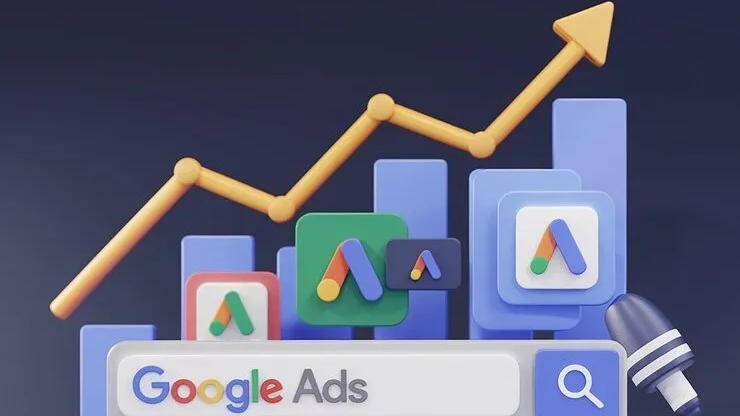
A well-structured Google Ads campaign typically includes multiple campaigns, each focused on specific products or services. Within each campaign, ad groups contain related keywords and advertisements that match the user’s search intent.
Effective ad copy highlights the key benefits of the product or service and includes a strong call to action that encourages users to click the advertisement.
Keyword match types, bidding strategies, and negative keywords also play important roles in controlling costs and improving campaign performance.
Artificial Intelligence can help generate keyword ideas, ad copy variations, and campaign structures that align with the business’s marketing objectives.
AI Prompt
“Build a complete Google Ads campaign structure for [company or product]. Include campaign types such as search, display, or shopping ads. Provide 50 keyword ideas with match types, suggested ad groups, multiple ad copy variations, and recommended bidding strategies.”
Stage 27 – Facebook & Instagram Ads Strategy
Advertising on social media platforms such as Facebook and Instagram allows businesses to target highly specific audiences based on demographics, interests, behaviors, and online activity.
Unlike search advertising, which focuses on users actively looking for solutions, social media advertising introduces products or services to audiences who may not yet be aware of the brand.
Because of this, successful social media advertising campaigns often follow a marketing funnel approach. The funnel begins with awareness campaigns that introduce the brand, followed by engagement campaigns that build interest, and finally conversion campaigns that encourage purchases or sign-ups.
Creative visuals, compelling storytelling, and clear calls to action are essential elements of effective social media ads.
Artificial Intelligence can help marketers design ad concepts, generate persuasive ad copy, and identify the most effective targeting parameters.
AI Prompt
“Create a Facebook and Instagram advertising strategy for [company name]. Include campaign objectives, audience targeting recommendations, five ad creative concepts, persuasive ad copy hooks, budget allocation suggestions, and a retargeting funnel strategy.”
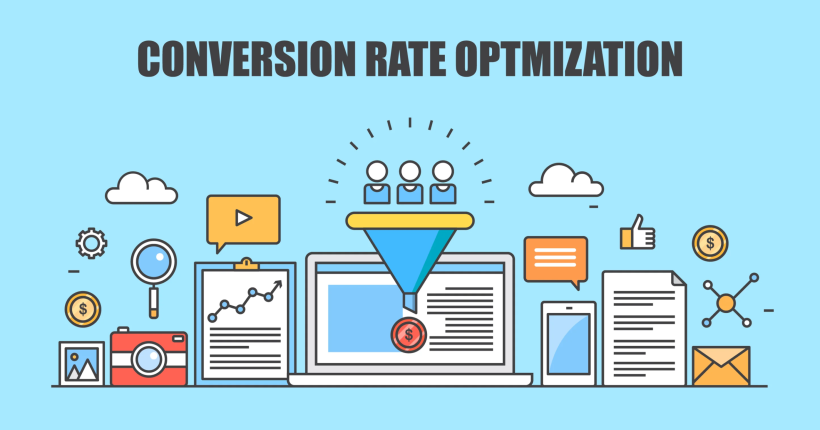
Stage 28 – Conversion Rate Optimization (CRO)
Driving traffic to a website is only part of the marketing process. The ultimate goal is converting visitors into leads or customers.
Conversion Rate Optimization focuses on improving the percentage of visitors who complete a desired action, such as filling out a form, signing up for a newsletter, or making a purchase.
Even small improvements in conversion rates can significantly increase revenue without requiring additional advertising spend.
CRO involves analyzing user behavior, identifying friction points, and testing different variations of website elements such as headlines, calls to action, images, and page layouts.
A/B testing is commonly used to compare two versions of a webpage to determine which performs better.
Artificial Intelligence can help identify potential conversion barriers and recommend optimization strategies based on user behavior patterns.
AI Prompt
“Conduct a conversion rate optimization audit for [company website or landing page]. Identify potential conversion barriers, recommend A/B testing ideas for headlines, CTAs, forms, and visuals, suggest trust-building elements to add, and provide a prioritized improvement plan.”
Stage 29 – Email Marketing Automation
Email marketing automation allows businesses to nurture leads and maintain relationships with customers without manually sending individual messages.
Automation workflows can be triggered by specific actions, such as subscribing to a newsletter, downloading a lead magnet, or abandoning a shopping cart.
For example, a welcome email sequence can introduce new subscribers to the brand, share valuable content, and guide them toward the next step in the customer journey.
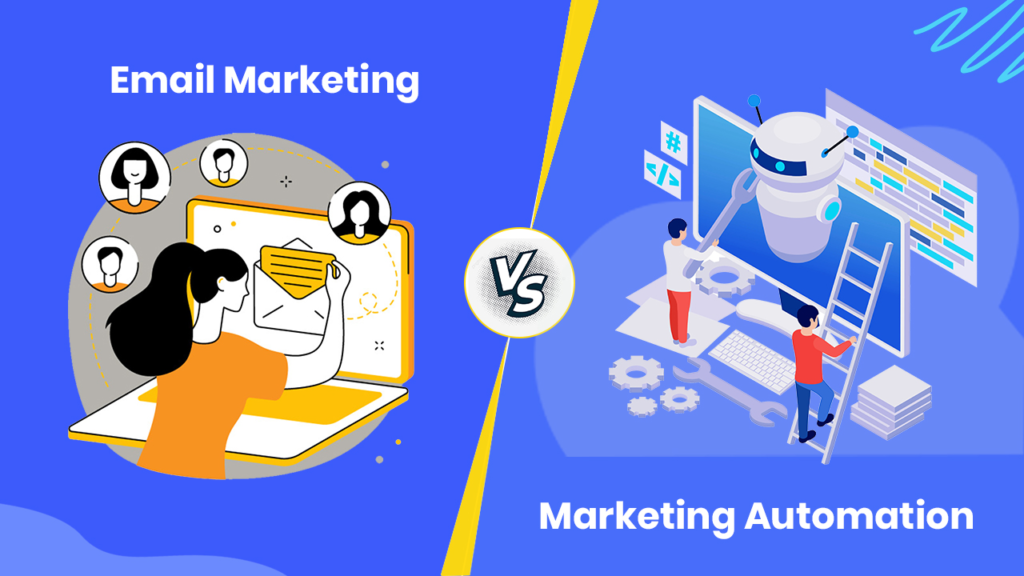
Nurture sequences help build trust over time by providing educational resources and helpful insights, while promotional emails encourage conversions.
Automation systems also allow businesses to segment their email lists based on subscriber behavior and preferences. This enables more personalized messaging that increases engagement and conversion rates.
Artificial Intelligence can assist in designing email sequences, generating subject line ideas, and structuring email content that drives engagement.
AI Prompt
“Design three email marketing automation sequences for [company name] including a welcome series, a nurture sequence, and an abandoned cart or follow-up sequence if applicable. Include timing recommendations, subject line ideas, content outlines, personalization elements, and conversion goals.”
Stage 30 – Marketing Analytics & Reporting Dashboard
Data is one of the most valuable assets in modern marketing. By tracking and analyzing performance metrics, businesses can understand how their marketing strategies are performing and identify opportunities for improvement.
Marketing analytics involves collecting data from multiple channels such as website traffic, social media engagement, advertising campaigns, and email marketing performance.
Key metrics may include website visits, click-through rates, lead conversion rates, customer acquisition costs, and overall return on investment.
A well-designed reporting dashboard consolidates these metrics into a single view, allowing marketers to quickly evaluate performance and make data-driven decisions.
Artificial Intelligence can analyze marketing data to identify trends, predict future outcomes, and recommend optimization strategies.
By consistently reviewing analytics and adjusting strategies accordingly, businesses can improve marketing efficiency and maximize growth.
AI Prompt
“Create a comprehensive marketing analytics framework for [company name]. Define key performance metrics for each marketing channel, recommend analytics tools such as Google Analytics 4 and social media insights, outline a reporting dashboard structure, and suggest a reporting schedule.”
Conclusion: Building a Complete AI-Powered Marketing System
Artificial Intelligence is reshaping the digital marketing landscape by making advanced strategies more accessible to businesses of all sizes. Tasks that once required extensive research and large teams can now be accelerated through well-structured AI prompts and intelligent automation.
The 30-Stage AI Digital Marketing Prompt Framework provides a step-by-step roadmap for building and executing a comprehensive marketing strategy—from developing a business concept to optimizing advanced advertising campaigns.
By following these stages, businesses can create a structured marketing system that integrates branding, market research, website development, content marketing, social media engagement, paid advertising, and performance optimization.
However, it is important to remember that AI works best when combined with human creativity and strategic thinking. While AI tools can generate insights and suggestions, successful marketing ultimately depends on understanding customers, delivering genuine value, and building meaningful relationships.
Businesses that learn how to combine AI-powered tools with thoughtful strategy will be better positioned to adapt to the rapidly evolving digital marketing environment.
Whether you are an entrepreneur launching a startup, a marketer building campaigns, or a student learning digital marketing, this framework can serve as a practical guide for implementing AI-driven marketing systems.
As AI technology continues to advance, marketers who embrace these tools will gain a significant advantage in efficiency, innovation, and long-term growth.