
In digital marketing, success is not determined only by creativity or content quality. It is also driven by data and measurable insights. Businesses that track and analyze marketing performance can identify what works, what does not, and how to improve their strategies.
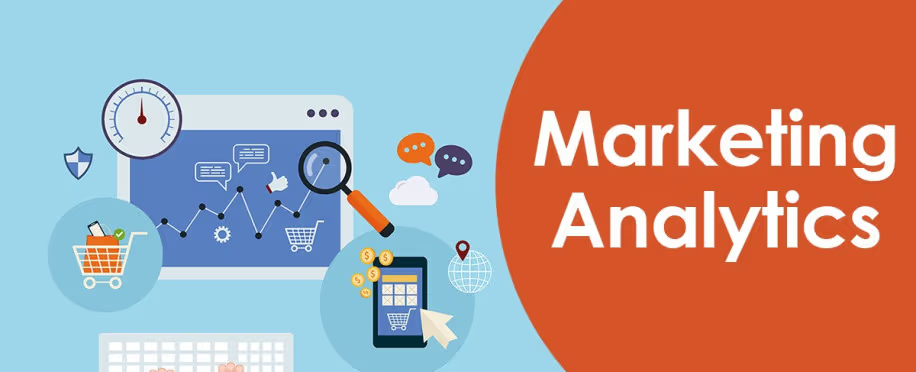
Marketing analytics helps businesses measure campaign performance across different channels such as websites, social media, paid advertising, and email marketing. By understanding these insights, companies can make informed decisions that lead to better marketing results.
Without analytics, marketing becomes guesswork. Campaigns may generate traffic or engagement, but businesses will struggle to understand whether their efforts are actually generating leads, conversions, or revenue.
Artificial Intelligence (AI) is making marketing analytics more powerful by helping businesses process large volumes of data, identify patterns, and generate insights faster than traditional methods.
In this article, we will explore how businesses can use marketing analytics and AI tools to track performance and improve digital marketing campaigns.
This article is part of our complete guide:
The AI Digital Marketing Framework: 30 AI Prompts to Build and Scale Your Marketing Strategy.
Why Marketing Analytics Is Important
Marketing analytics provides measurable insights into campaign performance. These insights help businesses understand how customers interact with their brand and where improvements can be made.

Benefits of Marketing Analytics
Better decision-making
Data helps marketers make strategic decisions rather than relying on assumptions.
Improved campaign performance
Analyzing campaign results helps identify areas that need improvement.
Efficient marketing spending
Businesses can allocate budgets more effectively by identifying which channels deliver the best results.
Customer behavior insights
Analytics helps businesses understand how users interact with their website and marketing content.
These benefits make analytics an essential part of digital marketing strategies.
Key Marketing Metrics to Track
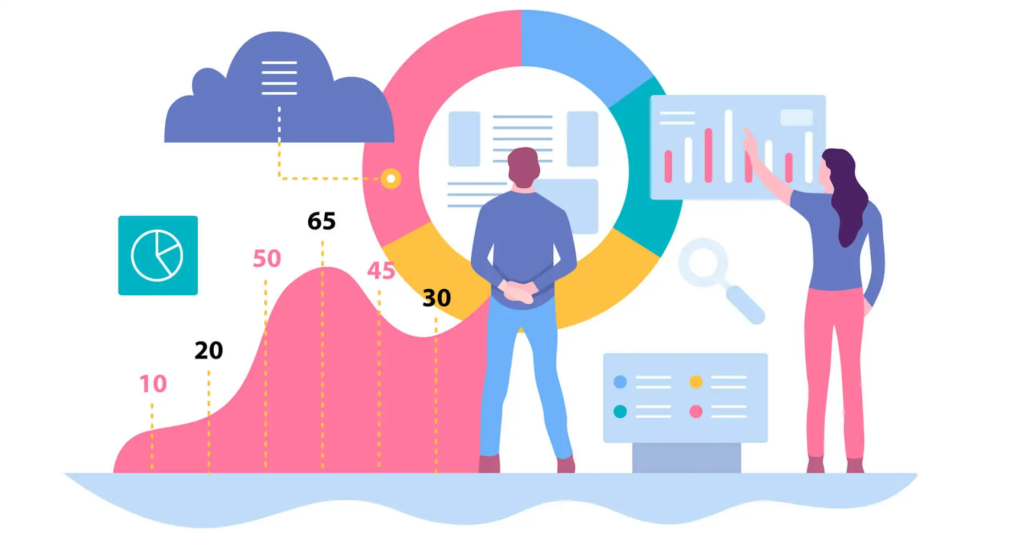
To measure marketing performance effectively, businesses must track important metrics across different channels.
Website Traffic Metrics
Website analytics helps businesses understand how visitors interact with their website.
Common traffic metrics include:
• number of website visitors
• page views
• bounce rate
• average time on page
• traffic sources (search, social, direct, referral)
These metrics provide insights into how users discover and navigate a website.
Engagement Metrics
Engagement metrics measure how audiences interact with marketing content.
Examples include:
• social media likes, comments, and shares
• video views and watch time
• email open rates
• email click-through rates
High engagement indicates that content resonates with the audience.
Conversion Metrics
Conversion metrics measure how effectively marketing campaigns turn visitors into customers.
Examples include:
• form submissions
• email subscriptions
• product purchases
• webinar registrations
Tracking conversions helps businesses understand which marketing efforts generate real business results.
Revenue Metrics
Revenue metrics measure the financial impact of marketing activities.
Examples include:
• revenue generated from campaigns
• cost per acquisition
• return on ad spend
• customer lifetime value
These metrics help businesses evaluate the profitability of marketing campaigns.
Marketing Analytics Tools
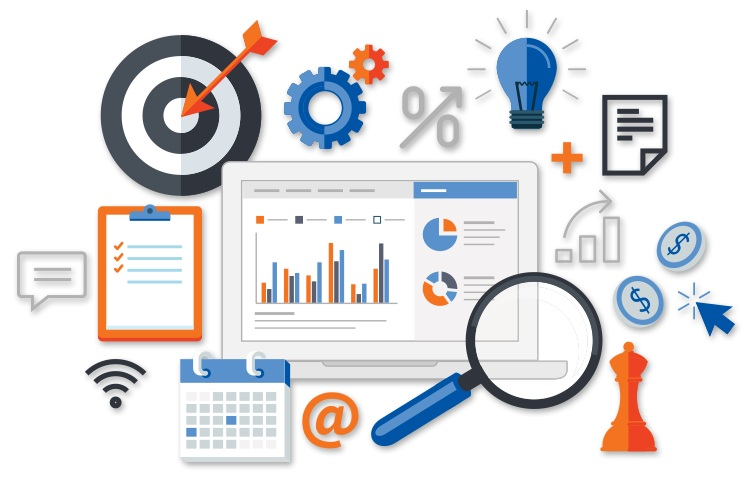
Several tools help businesses collect and analyze marketing data.
Website Analytics Tools
Website analytics platforms track visitor behavior and traffic sources.
Popular analytics tools include:
• Google Analytics
• website heatmap tools
• session recording platforms
These tools help businesses understand how users interact with their website.
Social Media Analytics
Most social media platforms provide built-in analytics dashboards that track performance metrics.
These dashboards provide insights into:
• audience demographics
• post engagement
• follower growth
• content performance
Analyzing this data helps businesses refine their social media strategies.
Email Marketing Analytics
Email marketing platforms provide detailed performance reports for campaigns.
Important email metrics include:
• open rate
• click-through rate
• conversion rate
• unsubscribe rate
Monitoring these metrics helps marketers improve future email campaigns.
Creating a Marketing Analytics Dashboard
A marketing analytics dashboard provides a centralized view of campaign performance across multiple channels.
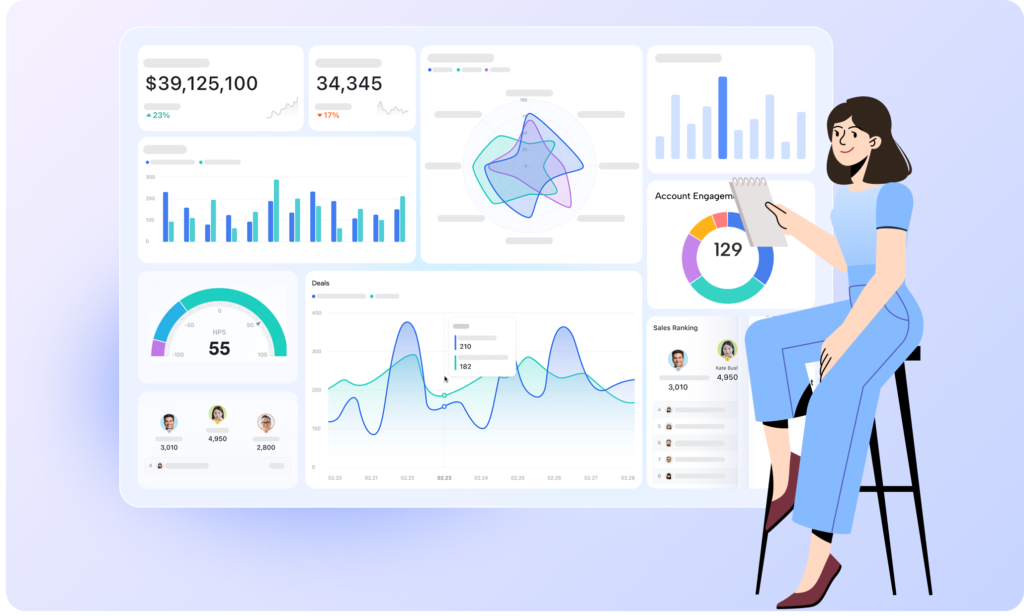
A well-designed dashboard should include:
Traffic Overview
Shows how many users visit the website and where they come from.
Campaign Performance
Tracks the performance of individual marketing campaigns.
Lead Generation Metrics
Displays how many leads are generated from different marketing channels.
Conversion Tracking
Measures how many leads become paying customers.
Having all these insights in one dashboard allows marketers to evaluate performance quickly.
How Artificial Intelligence Enhances Marketing Analytics
AI technology is transforming the way businesses analyze marketing data.
AI Data Analysis
AI systems can process large amounts of marketing data and identify patterns or trends.
AI Performance Predictions
Some AI tools predict future campaign performance based on historical data.
AI Automated Reporting
AI can generate performance reports automatically, saving time for marketing teams.
AI Optimization Recommendations
AI tools can recommend improvements for marketing campaigns based on data analysis.
These capabilities allow businesses to make faster and smarter marketing decisions.

AI Prompt for Marketing Analytics Strategy
Businesses can use AI prompts to design analytics frameworks for their marketing systems.
Example Prompt
“Create a marketing analytics framework for [company or brand]. Define key metrics to track across SEO, social media, email marketing, and paid advertising. Recommend analytics tools, dashboard structure, reporting frequency, and optimization strategies.”
This prompt can help generate a structured analytics plan.
Best Practices for Marketing Analytics
Businesses can improve marketing performance by following several analytics best practices.
Track the right metrics
Focus on metrics that relate directly to business goals rather than vanity metrics.
Analyze data regularly
Frequent analysis helps identify trends and opportunities quickly.
Connect data across channels
Understanding how different marketing channels work together provides deeper insights.
Use insights to improve campaigns
Analytics should guide strategy adjustments and optimization efforts.
Conclusion
Marketing analytics plays a critical role in modern digital marketing strategies. By tracking performance data, businesses can understand how their campaigns perform and identify opportunities for improvement.
From website traffic and engagement metrics to conversion and revenue data, analytics provides valuable insights that guide marketing decisions.
Artificial Intelligence is enhancing marketing analytics by making it easier to process large datasets, generate insights, and optimize campaigns automatically.
Businesses that combine data-driven analytics with AI-powered tools can continuously improve their marketing strategies and achieve stronger results over time.
Continue Learning
This article concludes the AI Digital Marketing Framework blog series.
Across this series, we explored how businesses can use AI to build a complete digital marketing system—from business idea generation and branding to advertising, automation, and analytics.
To explore the full framework with 30 AI marketing prompts that guide the entire digital marketing process, read the complete guide below.
Read the Full Guide:
The Complete AI Digital Marketing Framework: 30 AI Prompts to Build and Scale Your Marketing Strategy