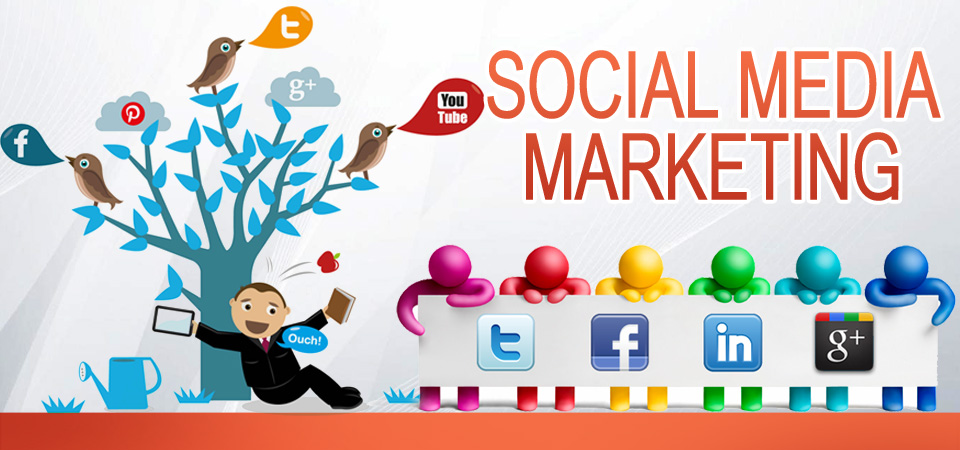
Social media has become one of the most powerful channels for digital marketing. Businesses use social platforms to build brand awareness, connect with audiences, promote products, and drive website traffic.
With billions of users across different platforms, social media provides businesses with direct access to potential customers. However, many companies struggle to use social media effectively. Without a clear strategy, social media efforts can become inconsistent and fail to deliver meaningful results.
Successful social media marketing requires understanding the right platforms, creating engaging content, building relationships with audiences, and using advertising strategically.
Artificial Intelligence (AI) is transforming social media marketing by helping businesses analyze audience behavior, generate content ideas, optimize posting schedules, and manage campaigns more efficiently.
In this article, we will explore how businesses can build a powerful social media marketing strategy using AI.
This article is part of our complete guide:
The AI Digital Marketing Framework: 30 AI Prompts to Build and Scale Your Marketing Strategy.
Choosing the Right Social Media Platforms
Not every social media platform is suitable for every business. The first step in building an effective social media strategy is selecting platforms that align with your target audience and business goals.
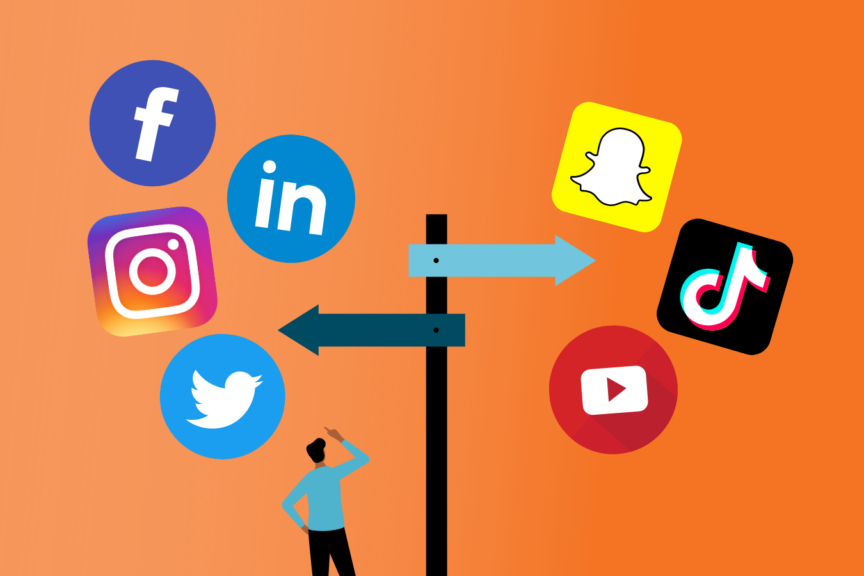
Different platforms serve different purposes and audiences.
Facebook remains one of the largest social networks. It is suitable for businesses that want to build communities, share updates, and promote content through both organic posts and paid advertising.
Instagram focuses heavily on visual content such as images, videos, and short-form content like Reels. It is particularly effective for brands that rely on strong visual storytelling.
LinkedIn is a professional networking platform that works well for B2B marketing, industry insights, and thought leadership content.
TikTok
TikTok is known for short, engaging videos and is popular among younger audiences. Creative and entertaining content often performs well on this platform.
Selecting the right platforms helps businesses focus their efforts where their audience is most active.
Instagram Marketing Strategy
Instagram has become one of the most influential social media platforms for brand engagement.
Businesses can use Instagram to showcase products, share educational content, and connect with followers through visual storytelling.

Types of Instagram Content
Feed Posts
Images or graphics that communicate brand messages or marketing insights.
Reels
Short-form videos designed to capture attention quickly and reach wider audiences.
Stories
Temporary content that provides quick updates, behind-the-scenes moments, or interactive features such as polls and questions.
Carousel Posts
Multiple images or slides within a single post, often used for step-by-step explanations or educational content.
Consistency and creativity are key to building an engaged Instagram audience.
LinkedIn Marketing for Professional Audiences

LinkedIn is a powerful platform for professional networking and B2B marketing.
Businesses can use LinkedIn to establish thought leadership and connect with decision-makers in their industry.
Effective LinkedIn Content Types
• industry insights and expert opinions
• educational posts related to professional development
• case studies and success stories
• business announcements and updates
LinkedIn content often performs best when it focuses on knowledge sharing and professional value rather than direct promotion.
Social Media Advertising Strategy
While organic content helps build relationships with audiences, social media advertising allows businesses to reach highly targeted audiences quickly.

Platforms such as Facebook and Instagram offer advanced advertising tools that allow marketers to target users based on demographics, interests, and behaviors.
Benefits of Social Media Ads
Precise Audience Targeting
Advertisers can reach specific groups of users who are most likely to be interested in their products or services.
Scalable Campaigns
Advertising budgets can be adjusted depending on campaign performance.
Faster Results
Paid advertising can generate traffic and leads more quickly than organic strategies alone.
Combining organic content with paid advertising creates a balanced social media marketing approach.
Community Management and Audience Engagement

Successful social media marketing goes beyond posting content. Businesses must also actively engage with their audiences.
Community management involves responding to comments, answering questions, and participating in conversations with followers.
Effective Community Management Practices
Responding to Comments
Engaging with followers helps build stronger relationships and encourages further interaction.
Handling Customer Questions
Providing helpful responses demonstrates professionalism and customer care.
Encouraging User Participation
Interactive posts, polls, and discussions can increase engagement levels.
Managing Negative Feedback
Addressing criticism professionally can improve brand reputation.
Strong community management helps create a loyal and engaged audience.
How Artificial Intelligence Supports Social Media Marketing
AI tools can significantly improve the efficiency of social media marketing.

AI Content Idea Generation
AI can analyze trending topics and generate post ideas tailored to specific industries.
AI Caption Writing
AI writing tools can help create engaging captions and hashtags for social media posts.
AI Scheduling and Automation
Some AI-powered platforms automatically schedule posts at optimal times when audiences are most active.
AI Performance Analysis
AI analytics tools can track engagement metrics such as likes, shares, comments, and click-through rates.
These insights help marketers understand which types of content perform best.
AI Prompt for Social Media Strategy
Businesses can use AI prompts to generate structured social media strategies.
Example Prompt
“Create a social media marketing strategy for [company or brand]. Include recommended platforms, content types, posting frequency, advertising strategies, and community management guidelines.”
This prompt can help businesses design a clear and organized social media plan.
Best Practices for Social Media Marketing
Businesses can improve social media performance by following several key practices.
Be consistent
Regular posting helps maintain audience engagement and visibility.
Focus on value
Content should educate, entertain, or inspire audiences.
Use visuals effectively
Images and videos often generate higher engagement than text-only posts.
Analyze performance
Tracking engagement metrics helps refine future strategies.
Conclusion
Social media marketing has become an essential part of digital marketing strategies. By choosing the right platforms, creating engaging content, running targeted advertising campaigns, and building strong communities, businesses can reach and influence large audiences.
Artificial Intelligence is making social media marketing more efficient by helping businesses generate content ideas, automate scheduling, and analyze performance data.
When businesses combine strategic planning with AI-powered tools, they can build social media systems that consistently attract, engage, and convert audiences.
Continue Learning
This article is part of the AI Digital Marketing Framework blog series.
To explore the complete system with 30 AI marketing prompts covering branding, strategy, SEO, content marketing, social media, advertising, automation, and analytics, read the full guide below.
Read the Full Guide:
The Complete AI Digital Marketing Framework: 30 AI Prompts to Build and Scale Your Marketing Strategy