
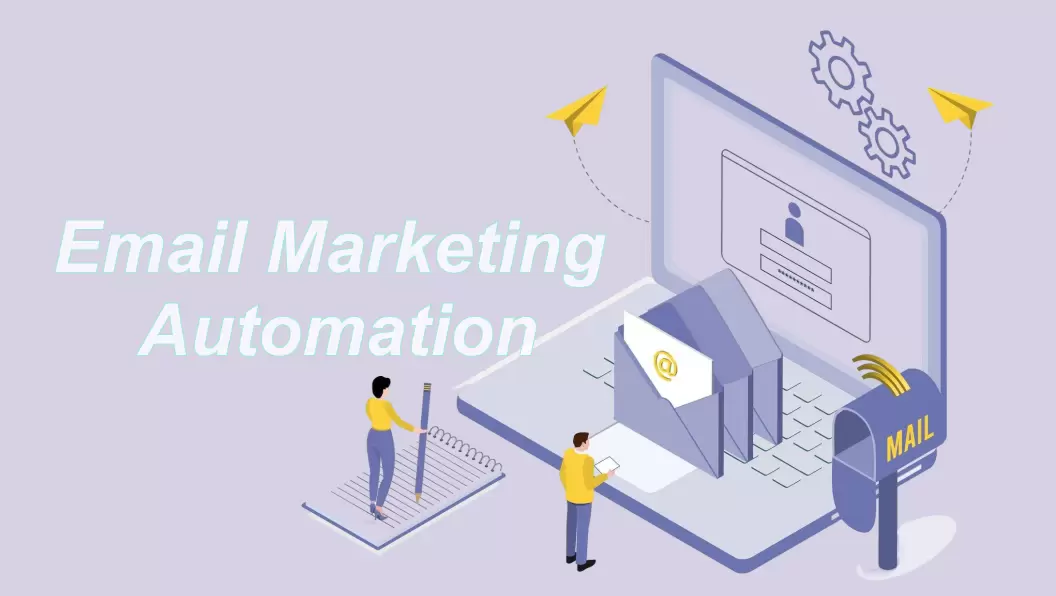
Email marketing remains one of the most powerful digital marketing channels for building relationships with customers and generating consistent revenue. Unlike social media platforms where algorithms control reach, email allows businesses to communicate directly with their audience.
However, sending occasional promotional emails is not enough to achieve long-term results. Successful email marketing requires structured communication that guides subscribers through different stages of the customer journey.
This is where email marketing automation becomes essential.
Email automation allows businesses to send the right message to the right person at the right time without manual effort. Automated email sequences can welcome new subscribers, nurture leads, promote products, and re-engage inactive users.
Artificial Intelligence (AI) is making email automation even more powerful by helping businesses generate email content, personalize messaging, and optimize campaigns based on performance data.
In this article, we will explore how businesses can build effective email marketing automation systems using AI.
This article is part of our complete guide:
The AI Digital Marketing Framework: 30 AI Prompts to Build and Scale Your Marketing Strategy.
Why Email Marketing Is Important for Business Growth
Email marketing offers several advantages compared to other digital marketing channels.
Direct Communication
Emails are delivered directly to subscribers, allowing businesses to build personal relationships with their audience.
High Return on Investment
Email marketing is known for delivering one of the highest returns on investment in digital marketing.
Audience Ownership
Unlike social media platforms, businesses fully control their email lists and are not dependent on external algorithms.
Personalization Opportunities
Email platforms allow businesses to segment audiences and send personalized messages based on behavior and interests.
These advantages make email marketing a crucial component of modern marketing strategies.
Understanding Email Marketing Automation
Email automation refers to the process of sending emails automatically based on predefined triggers or user behavior.
For example:
• when someone subscribes to an email list
• when a user downloads a resource
• when a customer abandons a shopping cart
• when a subscriber becomes inactive
Automated workflows ensure that every subscriber receives relevant messages without requiring manual intervention.
Automation also helps businesses maintain consistent communication with their audience.
The Welcome Email Sequence
The welcome sequence is one of the most important automated email campaigns.
When someone subscribes to an email list, they are showing interest in the brand. A well-designed welcome sequence helps introduce the business and build trust with new subscribers.
Email 1 – Welcome and Introduction
This email thanks the subscriber for joining and introduces the brand.
Content may include:
• a brief company introduction
• what subscribers can expect from future emails
• a helpful resource or free download
Email 2 – Value and Education
The second email focuses on providing useful information related to the subscriber’s interests.
This could include:
• helpful tips
• educational content
• links to blog articles or guides
Email 3 – Offer or Call to Action
After providing value, the final email in the welcome sequence may introduce a product, service, or special offer.
The goal is to guide subscribers toward taking their first action.
Lead Nurturing Email Sequences
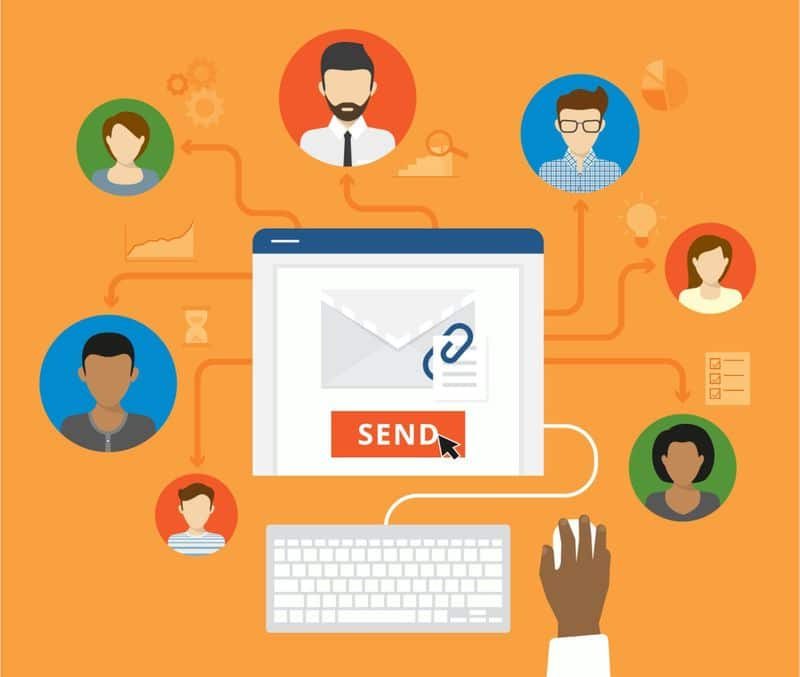
Not every subscriber is ready to buy immediately. Lead nurturing sequences help guide potential customers through the decision-making process.
These sequences provide valuable information that helps subscribers understand their problems and possible solutions.
Examples of nurturing content include:
• industry insights
• case studies
• educational guides
• product demonstrations
Over time, these emails build trust and position the business as an authority in its field.
When subscribers feel confident about a brand, they are more likely to become customers.
Abandoned Cart Email Sequences
For businesses that sell products online, abandoned cart emails can significantly increase sales.
Many customers add items to their cart but leave the website before completing the purchase.
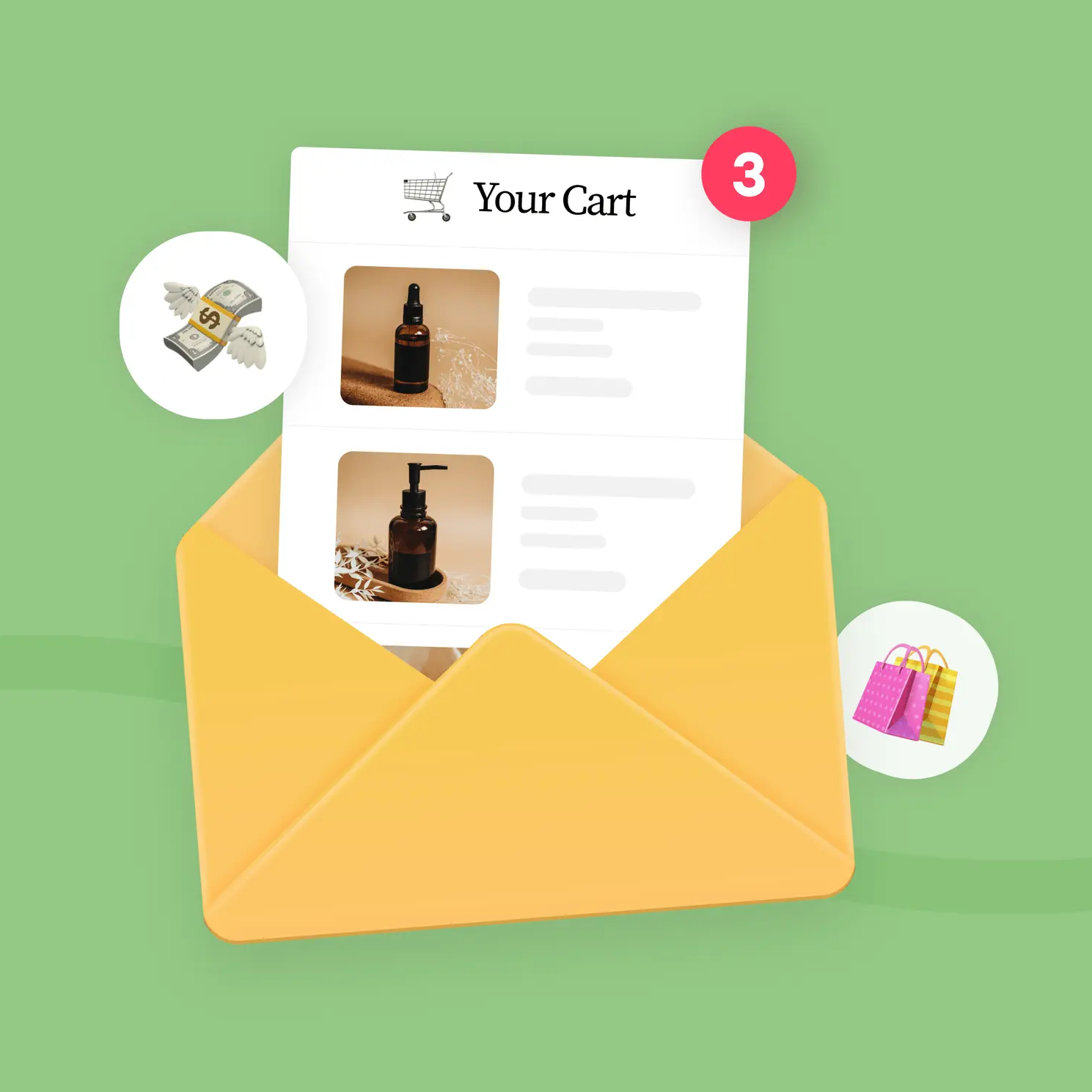
Automated abandoned cart emails remind customers about the products they were interested in.
Typical abandoned cart sequences include:
Reminder Email
Sent shortly after the cart is abandoned, reminding the customer about the items left in their cart.
Benefit Reinforcement Email
This email highlights product benefits, customer reviews, or testimonials.
Incentive Email
A final email may offer a limited-time discount or free shipping to encourage completion of the purchase.
These emails help recover potential sales that would otherwise be lost.
Email Segmentation and Personalization
Segmentation allows businesses to divide their email list into smaller groups based on specific characteristics.
Segments may include:
• new subscribers
• returning customers
• inactive subscribers
• subscribers interested in specific topics
Personalized emails often perform better than generic messages.
For example, personalized emails may include:
• subscriber names
• recommended products based on past behavior
• content relevant to specific interests
Personalization helps create more meaningful interactions with subscribers.
How Artificial Intelligence Enhances Email Marketing
AI is transforming email marketing by helping businesses optimize campaigns more efficiently.
AI Subject Line Generation
AI tools can generate subject line variations designed to increase open rates.
AI Content Writing
AI writing assistants can help generate email copy, product descriptions, and promotional messages.
AI Audience Segmentation
AI systems can analyze subscriber behavior and automatically group audiences based on engagement patterns.
AI Performance Optimization
AI analytics tools analyze campaign performance and recommend improvements.
These capabilities allow businesses to continuously improve their email marketing strategies.
AI Prompt for Email Automation Strategy
Businesses can use AI prompts to create structured email marketing automation plans.
Example Prompt
“Design an email marketing automation system for [company or brand]. Include a welcome email sequence, lead nurturing emails, abandoned cart workflow, subject line examples, and personalization strategies.”
This prompt helps generate a comprehensive automation plan.
Best Practices for Email Marketing Automation
Businesses can improve their email marketing results by following several best practices.
Provide consistent value
Subscribers should receive helpful content, not only promotional messages.
Maintain a clean email list
Removing inactive subscribers helps improve deliverability and engagement.
Test different email elements
Testing subject lines, layouts, and CTAs helps improve performance.
Optimize email timing
Sending emails at the right time can improve open and click-through rates.
Conclusion
Email marketing automation is one of the most effective ways to build long-term relationships with customers and drive consistent business growth.
By creating automated sequences such as welcome emails, lead nurturing campaigns, and abandoned cart reminders, businesses can guide subscribers through the customer journey without constant manual effort.
Artificial Intelligence is making email marketing even more powerful by helping marketers generate content, personalize messages, and analyze campaign performance.
When businesses combine automation with AI-powered tools, they can create email marketing systems that consistently engage audiences and generate revenue.
Continue Learning
This article is part of the AI Digital Marketing Framework blog series.
To explore the complete system with 30 AI marketing prompts covering branding, strategy, SEO, content marketing, social media, advertising, automation, and analytics, read the full guide below.
Read the Full Guide:
The Complete AI Digital Marketing Framework: 30 AI Prompts to Build and Scale Your Marketing Strategy