
Introduction
Search engines are one of the most powerful sources of traffic for websites. Every day, millions of people use search engines to find answers, discover products, and research services.
For businesses, this creates a major opportunity. When a website appears in search results for relevant keywords, it can attract highly targeted visitors who are actively looking for information or solutions.
However, ranking in search engines is not easy. With millions of websites competing for attention, businesses must develop a structured Search Engine Optimization (SEO) strategy to improve visibility and attract organic traffic.
Traditionally, SEO required manual keyword research, technical optimization, and long-term content planning. Today, Artificial Intelligence (AI) is transforming how businesses approach SEO.
AI-powered tools can analyze search trends, identify high-value keywords, evaluate competitor strategies, and recommend content improvements that help websites rank higher.
In this article, we will explore the fundamentals of SEO, explain how AI is improving search engine optimization, and outline the key components of an effective SEO strategy.
This article is part of our complete guide:
The AI Digital Marketing Framework: 30 AI Prompts to Build and Scale Your Marketing Strategy.
What Is SEO?
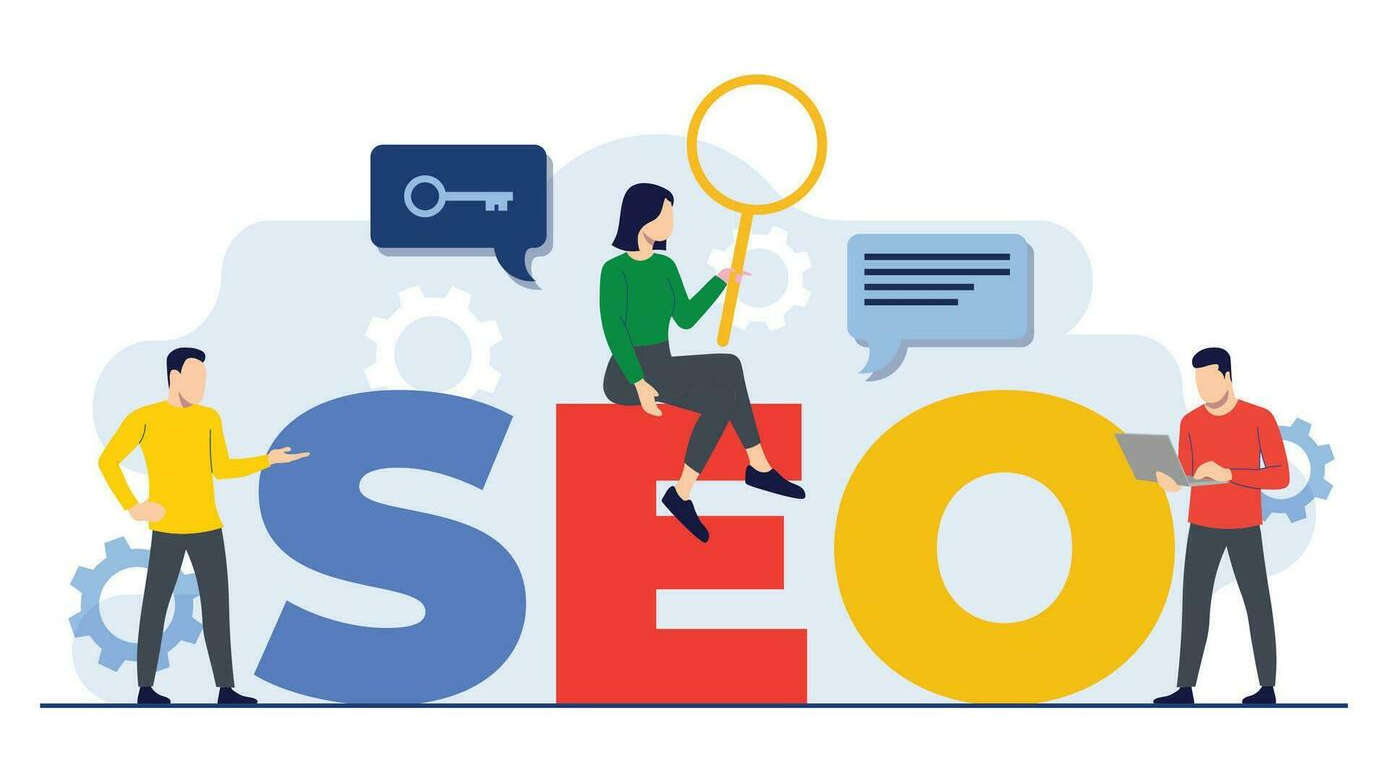
Search Engine Optimization (SEO) is the process of improving a website so that it ranks higher in search engine results pages (SERPs).
When a website appears near the top of search results, it receives more visibility and attracts more visitors.
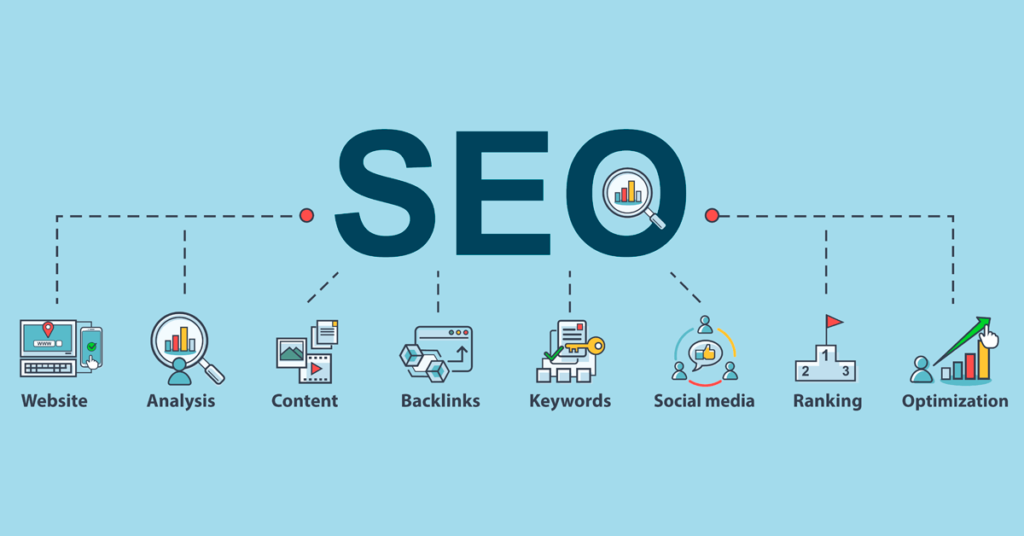
SEO involves optimizing several elements of a website, including:
• Website content
• Keywords
• Page structure
• Technical performance
• User experience
• Backlinks from other websites
The goal of SEO is to make it easier for search engines to understand the website’s content and determine its relevance to user searches.
Why SEO Is Important for Businesses
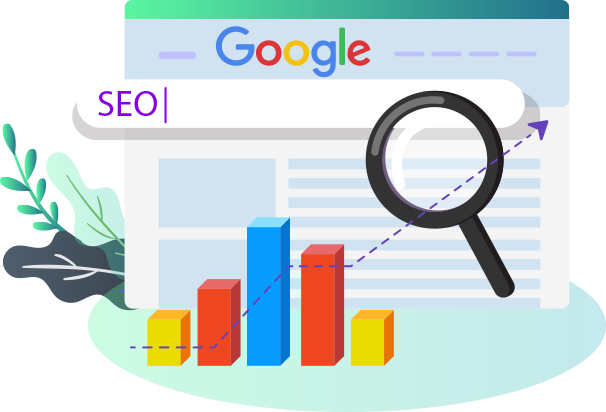
SEO plays a critical role in digital marketing because it helps businesses attract organic traffic without paying for advertisements.
Increased Website Visibility
Higher search rankings make it easier for potential customers to discover a business online.
Targeted Traffic
SEO attracts visitors who are actively searching for information, products, or services related to the business.
Long-Term Marketing Value
Unlike paid advertising, SEO results can generate traffic for months or even years once content ranks well.
Brand Authority
Websites that appear consistently in search results are often perceived as more credible and trustworthy.
Key Components of an Effective SEO Strategy
Successful SEO strategies combine several different optimization techniques.
1. Keyword Research
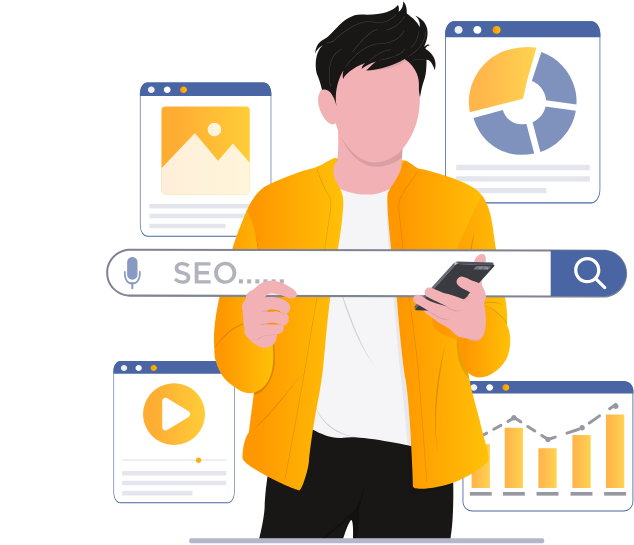
Keyword research is the process of identifying the search terms people use when looking for information online.
Choosing the right keywords helps businesses create content that matches user search intent.
Keywords can include:
• Short keywords (example: digital marketing)
• Long-tail keywords (example: digital marketing strategies for small businesses)
Long-tail keywords often have less competition and can attract highly targeted visitors.
2. On-Page SEO
On-page SEO involves optimizing the content and structure of individual website pages.
Important on-page SEO elements include:
• Title tags
• Meta descriptions
• Header tags (H1, H2, H3)
• Keyword placement
• Image optimization
• Internal linking
These elements help search engines understand what each page is about.
3. Technical SEO
Technical SEO focuses on improving the performance and accessibility of a website.
Search engines prioritize websites that load quickly and provide a good user experience.
Key technical SEO factors include:
• Fast page loading speed
• Mobile-friendly design
• Secure HTTPS connection
• Structured data markup
• Clean URL structure
Technical optimization helps ensure that search engines can crawl and index the website effectively.
4. Content Strategy
Content is one of the most important factors in SEO.
Search engines prioritize websites that provide valuable, informative, and relevant content.
Businesses can improve SEO by publishing:
• Blog articles
• Guides and tutorials
• Case studies
• Industry insights
• Educational resources
High-quality content also encourages other websites to link to the page, which improves search rankings.
5. Backlink Building
Backlinks are links from other websites that point to a page on your website.
Search engines view backlinks as a signal of credibility and authority.
When reputable websites link to your content, it indicates that the information is valuable and trustworthy.
However, quality matters more than quantity. Links from high-authority websites are far more valuable than many low-quality links.
How Artificial Intelligence Is Transforming SEO
AI technologies are making SEO faster, smarter, and more data-driven.
Instead of relying only on manual research, marketers can use AI tools to analyze large amounts of data and identify opportunities for improvement.
AI Keyword Research
AI-powered tools can analyze search trends and identify keywords that have strong traffic potential but lower competition.
This helps businesses discover valuable content opportunities.
Content Optimization
AI platforms can evaluate existing content and suggest improvements such as:
• Better keyword usage
• Improved readability
• Additional topics to include
These suggestions help content perform better in search rankings.
Competitor Analysis
AI tools can analyze competitor websites to identify:
• Their most successful content
• Keywords they rank for
• Backlink sources
This information helps businesses refine their own SEO strategies.
Predictive Search Insights
Some AI tools can predict emerging search trends, allowing businesses to create content before competitors do.
This can provide a significant advantage in competitive industries.

Example: AI-Driven SEO Strategy
Imagine a company that provides digital marketing training programs.
Using AI-powered SEO tools, the company might identify the following keyword opportunities:
• AI digital marketing strategy
• digital marketing training programs
• AI tools for marketers
• marketing automation strategies
• digital marketing certification programs
Based on this research, the company can create blog articles, guides, and resources around these topics to attract relevant search traffic.
AI Prompt for Creating an SEO Strategy
Businesses can use AI prompts to generate a structured SEO plan.
Prompt
“Develop an SEO strategy for [company/website]. Include 30 primary keywords, an on-page optimization checklist, technical SEO recommendations, and a 3-month implementation roadmap.”
This prompt helps generate a comprehensive SEO strategy tailored to the business.
Tips for Building a Strong SEO Foundation
To create a successful SEO strategy, businesses should follow several best practices.
Focus on Search Intent
Content should match what users are actually searching for.
Create High-Quality Content
Informative and valuable content attracts visitors and improves engagement.
Optimize for Mobile Devices
Since most searches now happen on mobile devices, websites must provide a mobile-friendly experience.
Maintain Consistent Content Publishing
Regularly publishing content helps search engines recognize the website as an active and authoritative source.
Monitor SEO Performance
Tracking keyword rankings, traffic, and engagement metrics helps businesses understand what strategies are working.
Conclusion
Search Engine Optimization is one of the most effective ways for businesses to attract long-term organic traffic.
By improving website structure, creating valuable content, and optimizing technical performance, businesses can increase their visibility in search engine results.
Artificial Intelligence is transforming SEO by providing powerful tools that analyze data, identify opportunities, and recommend strategies that improve search performance.
When businesses combine traditional SEO principles with AI-powered insights, they can build a strong online presence and attract highly targeted audiences.
A well-planned SEO strategy not only increases website traffic but also strengthens brand authority and supports long-term digital marketing success.
Continue Learning
This article is part of our AI Digital Marketing Framework blog series.
To explore the complete system with 30 AI marketing prompts covering branding, strategy, website development, SEO, content marketing, social media, advertising, and automation, read the full guide below.
Read the Full Guide:
The Complete AI Digital Marketing Framework: 30 AI Prompts to Build and Scale Your Marketing Strategy