

A brand name is one of the most important elements of a business identity. It is often the first thing potential customers notice about a company, and it plays a major role in shaping the way people perceive the brand. A strong brand name can create curiosity, build trust, and make a company more memorable in a crowded marketplace.
Choosing the right name for a business has traditionally been a creative and sometimes difficult process. Entrepreneurs often spend weeks brainstorming names, checking domain availability, and testing how the name sounds when spoken aloud. The goal is to find a name that represents the brand’s identity while remaining simple, distinctive, and easy to remember.
Today, Artificial Intelligence (AI) is transforming the way businesses approach brand naming. AI-powered tools can generate dozens of name ideas in seconds by analyzing language patterns, industry trends, and branding principles. These tools help entrepreneurs explore a wider range of possibilities and discover creative names they may not have considered on their own.
In this article, we will explore the importance of choosing the right brand name, the different types of brand naming strategies, and how AI can help entrepreneurs generate powerful brand names efficiently.
This article is part of our comprehensive guide:
The AI Digital Marketing Framework: 30 AI Prompts to Build and Scale Your Marketing Strategy.
Why a Strong Brand Name Matters
A brand name does much more than identify a business. It becomes the foundation of the company’s identity and influences how customers remember and recognize the brand.

A well-chosen brand name can offer several advantages.
Memorability
A simple and distinctive name is easier for customers to remember. When people can easily recall a brand name, they are more likely to return to it or recommend it to others.
Brand Identity
The name of a business can communicate the company’s personality, values, and purpose. Some names convey professionalism and trust, while others highlight creativity, innovation, or energy.
Marketing Advantage
A strong brand name can make marketing campaigns more effective. When a name is easy to pronounce and visually appealing, it becomes easier to promote through advertising, social media, and word-of-mouth recommendations.
Searchability
In the digital age, it is important for a brand name to work well online. A unique name improves the chances of securing domain names and social media handles while also helping the brand stand out in search engine results.
For these reasons, businesses should invest time and thought into selecting a brand name that supports their long-term growth.
Common Types of Brand Names
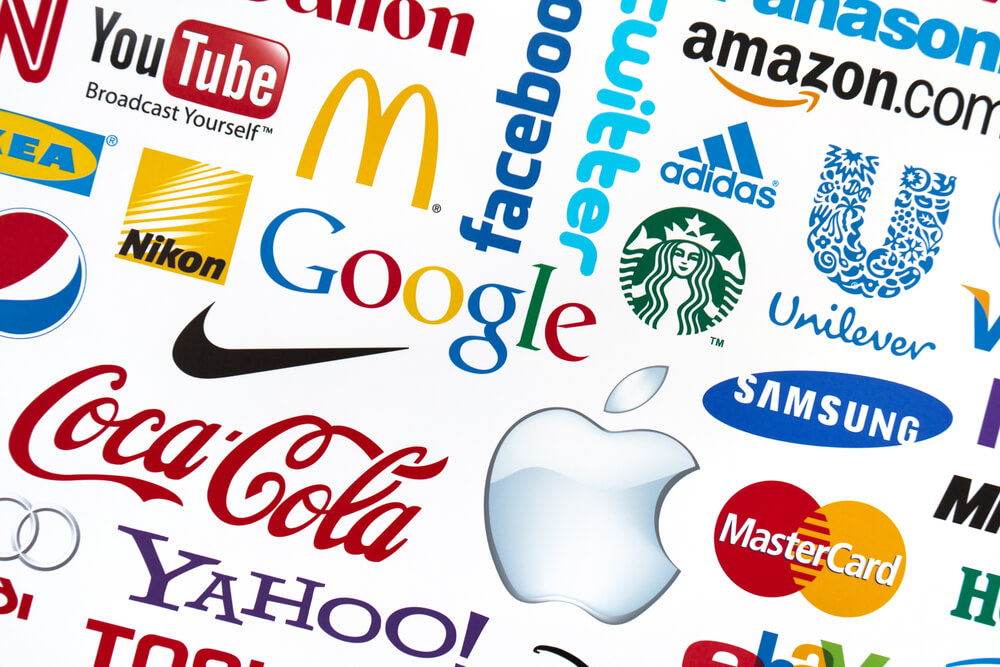
Businesses use different naming strategies depending on their goals and industry. Understanding these categories can help entrepreneurs decide which type of name best suits their brand.
Descriptive Names
Descriptive names explain what the company does. These names provide clarity but may be less distinctive.
Examples include businesses that include words like “marketing,” “consulting,” or “solutions” in their names.
Invented or Brandable Names
Some companies create entirely new words that become associated with the brand over time. These names are unique and often easier to trademark.
Many modern technology companies use this approach.
Compound Names
Compound names combine two or more words to create a new brand identity. This method allows businesses to communicate meaning while maintaining originality.
For example, combining words related to growth, innovation, or technology can produce creative brand names.
Abstract Names
Abstract names do not directly describe the product or service but instead create a distinct brand identity. These names often rely on strong marketing to build meaning over time.
Choosing the right naming style depends on the brand’s positioning and the message it wants to communicate.
How AI Helps Generate Brand Names
Artificial Intelligence can significantly simplify the brand naming process. Instead of relying only on manual brainstorming, entrepreneurs can use AI tools to generate creative name ideas based on specific criteria.
AI systems analyze patterns in language, brand naming trends, and industry keywords to suggest names that align with the business concept.
Here are some ways AI can support brand name creation.
Generating Large Lists of Ideas
AI tools can produce dozens of potential brand names quickly. This allows entrepreneurs to evaluate many options before narrowing down their favorites.
Combining Words Creatively
AI can mix keywords, synonyms, and linguistic patterns to create unique combinations that may not appear during traditional brainstorming.
Adapting Names to Industry Trends
By analyzing popular naming styles within specific industries, AI tools can recommend names that feel modern and relevant.
Saving Time During the Naming Process
Instead of spending weeks searching for name ideas, entrepreneurs can generate a wide range of suggestions in minutes and focus their energy on evaluating the best options.
AI does not replace human creativity, but it provides powerful assistance by expanding the pool of potential brand names.
Important Factors to Consider When Choosing a Brand Name

Even with the help of AI, it is important to evaluate potential brand names carefully before making a final decision.
Simplicity
A brand name should be easy to pronounce and spell. Complex names may confuse customers or make it harder for people to find the business online.
Uniqueness
Choosing a unique name helps the brand stand out from competitors and reduces the risk of confusion with other companies.
Domain Availability
Since most businesses rely on websites, it is important to check whether a matching domain name is available.
Scalability
A brand name should allow room for future growth. For example, a name that is too specific may limit the company if it expands into new products or services later.
Cultural and Language Considerations
Businesses operating internationally should ensure that the brand name does not have unintended meanings in other languages.
Evaluating names with these factors in mind helps ensure that the final choice supports long-term branding success.
Example: AI-Assisted Brand Naming
Imagine an entrepreneur launching a business that offers digital marketing training for freelancers and entrepreneurs.
Instead of brainstorming names randomly, the entrepreneur could ask an AI tool to generate brand names based on the business concept.
Possible AI-generated suggestions might include:
• SkillSpark Academy
• MarketMind Training
• Digital Growth Lab
• SkillRise Institute
• Smart Skill Academy
Each suggestion reflects different aspects of the business concept, such as growth, learning, and professional development.
After generating several options, the entrepreneur can evaluate which name best represents the brand’s mission and long-term vision.
AI Prompt for Brand Name Generation
Here is a practical AI prompt entrepreneurs can use to generate brand name ideas.
Prompt
“Based on my business concept [describe your business], generate 20 company name ideas. Include short memorable names, descriptive names, invented brand words, and modern startup-style names. For each name, explain its meaning and branding potential.”
This prompt can produce a diverse list of naming options that entrepreneurs can evaluate and refine.
Conclusion
A strong brand name is an essential part of building a successful business. It influences how customers perceive the company, how easily the brand can be remembered, and how effectively it can be promoted in marketing campaigns.
Artificial Intelligence provides a powerful tool for generating creative brand name ideas quickly and efficiently. By combining AI-generated suggestions with thoughtful evaluation, entrepreneurs can discover names that are memorable, distinctive, and aligned with their brand vision.
The key is not simply choosing a name that sounds appealing but selecting one that supports the company’s identity and long-term growth.
Continue Learning
This article is part of our complete AI marketing framework.
To explore the full system with 30 AI marketing prompts covering branding, SEO, content marketing, advertising, and automation, read the full guide below.
Read the Full Guide:
The Complete AI Digital Marketing Framework: 30 AI Prompts to Build and Scale Your Marketing Strategy