
In today’s digital marketplace, first impressions are often made visually. Before customers read about a business or explore its services, they usually notice the brand’s logo, colors, and overall design style. These visual elements form what is known as a visual brand identity, and they play a major role in how people recognize and remember a company.
A strong visual identity helps businesses stand out, communicate their personality, and create a consistent experience across websites, social media platforms, advertisements, and marketing materials. When done correctly, visual branding can instantly convey professionalism, trust, creativity, or innovation.
Traditionally, building a visual brand identity required working with professional designers and going through long design processes. Today, however, Artificial Intelligence (AI) has made it easier and faster for entrepreneurs and businesses to create strong visual branding concepts.
AI-powered design tools can generate logo ideas, suggest color palettes, recommend typography styles, and help businesses develop a cohesive visual brand system.
In this article, we will explore what visual brand identity is, why it is important, and how AI can help businesses design effective branding elements that resonate with their target audience.
This article is part of our comprehensive guide:
The AI Digital Marketing Framework: 30 AI Prompts to Build and Scale Your Marketing Strategy.

What Is Visual Brand Identity?
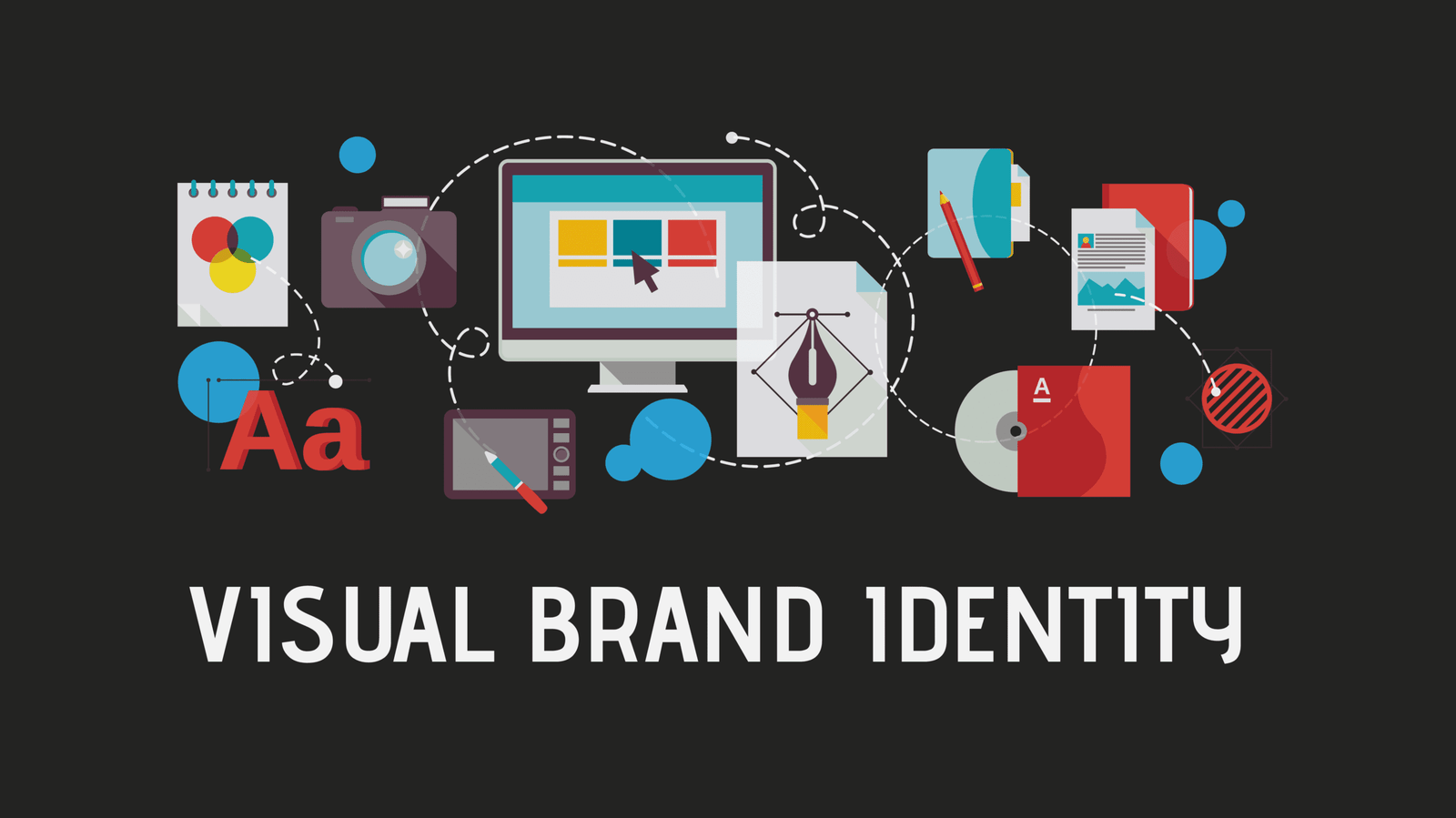
Visual brand identity refers to the collection of visual elements that represent a brand. These elements work together to create a consistent and recognizable look across all platforms and marketing materials.
A complete visual brand identity typically includes several key components.
Logo
The logo is the central symbol of the brand. It is often the most recognizable visual element and appears on websites, packaging, advertisements, and social media profiles.
Color Palette
Colors influence emotions and perceptions. The colors chosen for a brand help communicate its personality and values.
For example:
• Blue often represents trust and professionalism
• Red conveys energy and excitement
• Green is associated with growth and sustainability
• Black represents sophistication and luxury
Typography
Typography refers to the fonts used in brand communication. The choice of fonts can make a brand feel modern, traditional, playful, or authoritative.
Graphic Elements
Some brands include icons, shapes, or patterns that support the visual style. These elements help create a distinctive design language.
Imagery Style
Visual branding also includes the type of images used by the company. Some brands prefer minimalist illustrations, while others focus on photography or bold graphic designs.
When all these elements are designed consistently, they create a cohesive brand identity that audiences can recognize instantly.
Why Visual Branding Is Important
A strong visual identity offers several strategic advantages for businesses.
Instant Recognition
Customers are exposed to thousands of marketing messages every day. A consistent visual identity helps a brand stand out and become recognizable over time.
Professional Credibility
Well-designed branding signals professionalism and reliability. When a brand looks polished and consistent, customers are more likely to trust it.
Emotional Connection
Visual elements can trigger emotional responses. The right colors, design style, and imagery can help brands connect with audiences on a deeper level.
Consistency Across Platforms
Modern businesses interact with customers across many digital channels, including websites, social media platforms, emails, and advertisements. A clear visual identity ensures that the brand looks consistent everywhere.
Without a strong visual brand system, companies risk appearing unprofessional or confusing to potential customers.
How Artificial Intelligence Helps Create Visual Branding
Artificial Intelligence has transformed the design process by providing tools that generate creative visual concepts quickly.

Entrepreneurs can now experiment with branding ideas before investing in professional design services.
AI tools support visual branding in several ways.
AI Logo Generation
AI logo generators can create multiple logo concepts based on a company name, industry, and preferred design style. These tools analyze design trends and generate logos that match modern branding standards.
Color Palette Suggestions
AI systems can recommend color combinations based on brand personality and industry preferences. This helps ensure that color choices align with the emotions the brand wants to communicate.
Typography Recommendations
AI tools can suggest font pairings that work well together, making it easier to create professional-looking designs.
Design Inspiration
AI can generate visual mood boards and style concepts that help entrepreneurs explore different branding directions before finalizing their identity.
By combining these features, AI tools make branding more accessible for startups and small businesses.
Key Elements of a Successful Logo
The logo is often the most visible part of a brand identity, so it is important to design it carefully. Successful logos typically share several characteristics.
Simplicity
Simple logos are easier to recognize and remember. Complex designs may look impressive initially but can become difficult to reproduce across different platforms.
Versatility
A good logo should work well in different sizes and formats. It should look clear on websites, mobile screens, social media profiles, and printed materials.
Relevance
The design should reflect the nature of the business and resonate with the target audience.
Timelessness
Trendy designs may become outdated quickly. A strong logo should remain effective for many years.
AI-generated logo concepts can provide a starting point, but businesses should still evaluate whether the design aligns with their long-term brand vision.
Example: AI-Assisted Visual Branding
Imagine a company called Smart Skill Academy, which offers digital marketing and technology training.

Using AI tools, the company might generate several branding concepts, such as:
• A minimalist logo with modern typography representing innovation
• A bold logo with bright colors that communicates creativity and energy
• A professional corporate-style logo that emphasizes credibility and expertise
• A technology-inspired logo with geometric shapes representing digital growth
• A playful and youthful design targeting beginner learners
Each concept presents a different brand personality. The company can then choose the direction that best reflects its mission and target audience.
AI Prompt for Logo and Visual Identity Creation
Entrepreneurs can use structured prompts to generate branding concepts using AI tools.
Prompt
“For my company [company name] in the [industry] industry, create five distinct logo concepts. For each concept describe the visual style, color palette with psychological meaning, typography recommendations, and how the design appeals to [target audience].”
This prompt helps generate detailed branding ideas that can guide the design process.
Conclusion
Visual branding plays a crucial role in shaping how customers perceive and remember a company. Elements such as logos, colors, typography, and imagery work together to create a recognizable identity that communicates the brand’s personality and values.
Artificial Intelligence has made it easier for businesses to explore branding ideas quickly and creatively. AI tools can generate logo concepts, recommend color palettes, and suggest typography styles that align with the brand’s goals.
While AI can provide valuable inspiration and starting points, businesses should still evaluate design concepts carefully to ensure they represent the brand authentically.
A well-designed visual identity not only improves recognition but also strengthens customer trust and creates a consistent brand experience across all marketing channels.
Continue Learning
This article is part of our complete AI Digital Marketing Framework.
To explore the full system with 30 AI marketing prompts covering branding, content marketing, SEO, social media, advertising, and automation, read the full guide below.
Read the Full Guide:
The Complete AI Digital Marketing Framework: 30 AI Prompts to Build and Scale Your Marketing Strategy