

In digital marketing, attracting visitors to a website is only part of the challenge. The real goal is to convert those visitors into leads, subscribers, or customers. This is where landing pages play a crucial role.
A landing page is a standalone web page designed for a specific marketing campaign or offer. Unlike a general website page, a landing page focuses on a single objective—encouraging visitors to take a specific action such as signing up, downloading a resource, or making a purchase.
Businesses often use landing pages in advertising campaigns, email marketing promotions, and lead generation strategies. When designed correctly, landing pages can significantly increase conversion rates.
Today, Artificial Intelligence (AI) is helping marketers design more effective landing pages by analyzing user behavior, optimizing content, and predicting which elements will perform best.
In this article, we will explore what landing pages are, why they are important in digital marketing, and how businesses can use AI to create landing pages that convert visitors into customers.
This article is part of our complete guide:
The AI Digital Marketing Framework: 30 AI Prompts to Build and Scale Your Marketing Strategy.
What Is a Landing Page?
A landing page is a dedicated web page created for a specific marketing campaign or promotion.
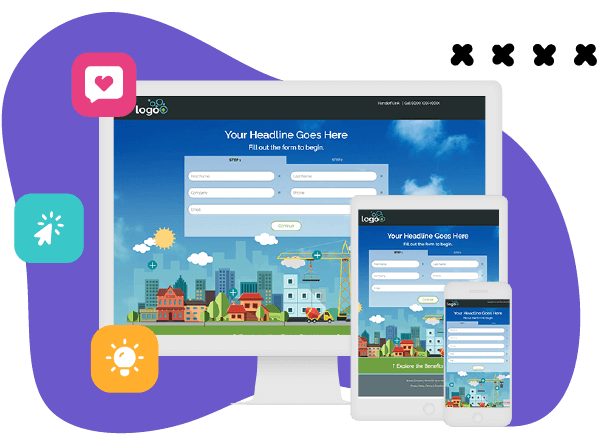
Unlike regular website pages that may contain many navigation options, landing pages are designed to guide visitors toward a single call-to-action (CTA).
Examples of landing page objectives include:
• Downloading an ebook or guide
• Registering for a webinar
• Signing up for a newsletter
• Purchasing a product
• Booking a consultation
Landing pages typically remove unnecessary navigation links and distractions so that visitors focus on completing the desired action.
Why Landing Pages Are Important in Digital Marketing
Landing pages are one of the most powerful tools for improving marketing performance.
Higher Conversion Rates
Because landing pages focus on a single goal, they often convert visitors more effectively than general website pages.
Campaign-Specific Messaging
Landing pages can be tailored to match specific marketing campaigns, ensuring that the messaging aligns with the advertisement or email that brought visitors to the page.
Better Lead Generation
Landing pages are widely used to collect contact information such as email addresses, helping businesses build their marketing lists.
Improved Performance Tracking
Since each landing page is designed for a specific campaign, businesses can easily measure the effectiveness of their marketing efforts.
Key Elements of a High-Converting Landing Page

Successful landing pages share several common design and content elements.
1. Compelling Headline
The headline is the first thing visitors see when they arrive on the page.
It should clearly communicate the value of the offer and capture attention immediately.
For example:
Learn AI Digital Marketing in 30 Days
A strong headline should focus on the benefit for the visitor.
2. Supporting Subheadline
The subheadline provides additional context and reinforces the main message.
Example:
A step-by-step training program designed to help professionals master modern marketing strategies.
This section helps visitors quickly understand what they will gain from the offer.
3. Clear Value Proposition
Visitors need to know why the offer is valuable.
The value proposition explains the key benefits of the product, service, or resource being offered.
Examples of value points may include:
• Practical learning experience
• Industry-relevant knowledge
• Real-world case studies
• Career growth opportunities
This section should focus on how the offer solves a problem or delivers meaningful results.
4. Visual Elements
Images, graphics, or videos can significantly improve engagement on landing pages.
Visual elements help explain the offer and make the page more appealing.
Examples include:
• Product screenshots
• Course previews
• Demonstration videos
• Infographics
These visuals reinforce the message and make the offer easier to understand.
5. Social Proof
Social proof builds trust by showing that others have benefited from the offer.
Examples include:
• Testimonials from satisfied customers
• Reviews or ratings
• Case studies
• Success stories
When visitors see that others have had positive experiences, they are more likely to take action.
6. Strong Call-to-Action
The call-to-action (CTA) is the most important element of a landing page.
It tells visitors exactly what to do next.
Examples of effective CTAs include:
• Download the Guide
• Start Learning Today
• Register for the Webinar
• Get Instant Access
CTA buttons should be visually prominent and placed strategically throughout the page.
7. Simple Lead Capture Form
Many landing pages include a form where visitors can submit their contact information.
To improve conversion rates, forms should be simple and request only essential information such as:
• Name
• Email address
• Company name (if relevant)
The easier the form is to complete, the more likely visitors are to submit it.
How Artificial Intelligence Improves Landing Page Performance
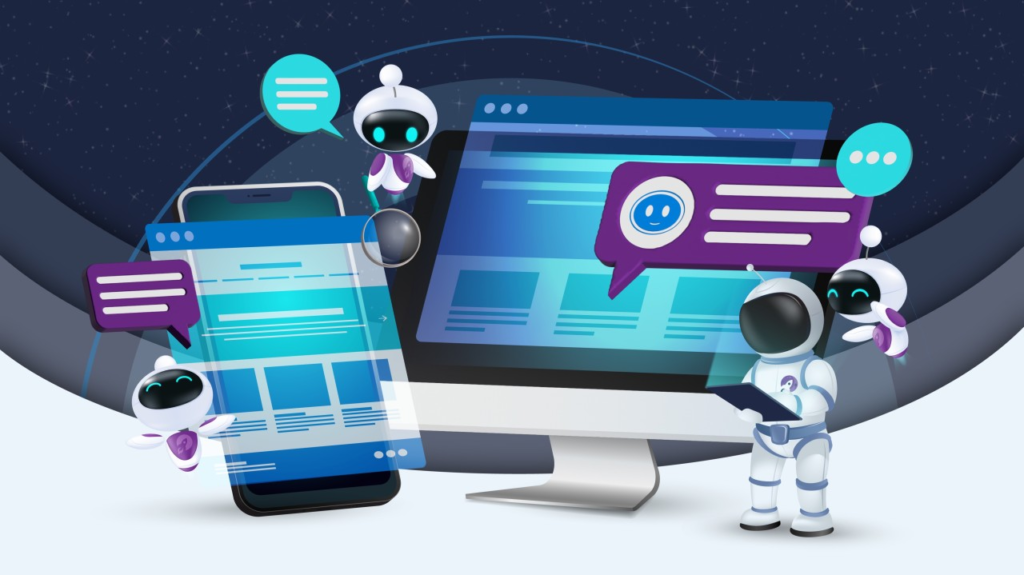
AI technologies are helping marketers design and optimize landing pages more effectively.
AI Content Optimization
AI tools can analyze landing page content and suggest improvements that make messaging clearer and more persuasive.
These insights help marketers create content that resonates with their audience.
User Behavior Analysis
AI can analyze how visitors interact with landing pages.
For example, it can identify where users click, how far they scroll, and where they leave the page.
This data helps marketers improve page layout and design.
Automated A/B Testing
A/B testing compares different versions of a landing page to determine which performs better.
AI platforms can automatically test variations of headlines, images, and CTAs to identify the most effective combinations.
Personalization
AI tools can personalize landing page content based on user behavior, location, or preferences.
This creates a more relevant experience for visitors and improves conversion rates.
AI Prompt for Creating Landing Pages
Businesses can use AI prompts to generate structured landing page strategies.
Prompt
“Create three high-converting landing page concepts for ” Lorem ipsum dolor sit amet, consectetur adipiscing elit. Maecenas pretium pretium iaculis. Nullam vestibulum vestibulum libero. Phasellus ut pulvinar mi. Donec id pretium ante.“. For each concept include the target audience, headline, key pain points to address, benefits to highlight, social proof elements, and call-to-action strategy.”
A Beginner Crash Course Guide
Original price was: ₹19.00.₹15.00Current price is: ₹15.00.
Add to cart

This prompt helps marketers design landing pages tailored to specific campaigns.
Tips for Improving Landing Page Conversion Rates
Businesses can further improve landing page performance by following several best practices.
Focus on One Goal
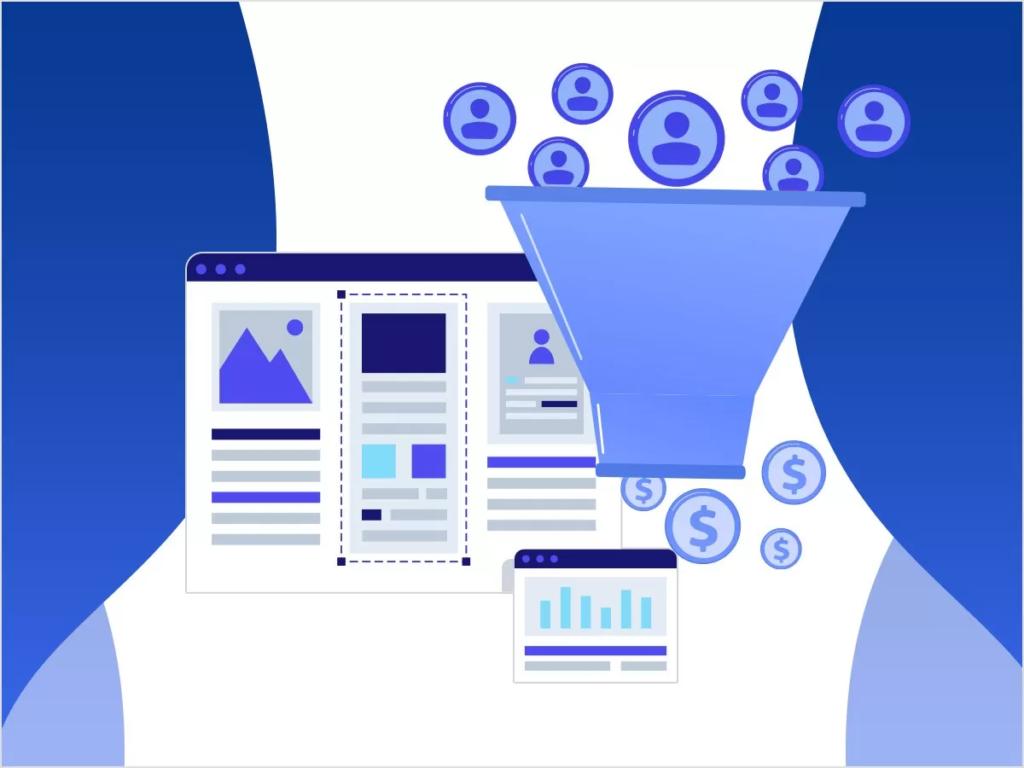
Each landing page should have a single clear objective.
Multiple competing goals can reduce conversion rates.
Reduce Distractions
Removing unnecessary navigation links keeps visitors focused on the main offer.
Use Clear and Simple Language
Visitors should immediately understand what the page offers and what they should do next.
Optimize for Mobile Devices
Since many visitors access landing pages from mobile devices, the page must load quickly and display correctly on smaller screens.
Continuously Test and Improve
Landing pages should be regularly tested and optimized based on performance data.
Conclusion
Landing pages are a powerful tool in digital marketing because they focus on converting visitors into leads or customers.
By designing pages that clearly communicate value, build trust, and guide users toward a specific action, businesses can significantly improve their marketing results.
Artificial Intelligence is making landing page optimization more efficient by providing data-driven insights into user behavior and campaign performance.
When businesses combine strong landing page design principles with AI-powered optimization, they can create highly effective marketing assets that support lead generation and revenue growth.
Continue Learning
This article is part of our AI Digital Marketing Framework blog series.
To explore the complete system with 30 AI marketing prompts covering branding, strategy, website development, SEO, content marketing, social media, advertising, and automation, read the full guide below.
Read the Full Guide:
The Complete AI Digital Marketing Framework: 30 AI Prompts to Build and Scale Your Marketing Strategy