
Marketing plays a crucial role in business growth, but without proper budgeting, even the best marketing strategies can fail. A marketing budget helps businesses allocate resources effectively, ensuring that funds are invested in activities that deliver measurable results.
Many businesses struggle with marketing budgeting because they are unsure how much to spend, where to invest their resources, and how to measure return on investment. Without a structured approach, companies may overspend on ineffective campaigns or underinvest in strategies that could drive growth.
In recent years, Artificial Intelligence (AI) has transformed how businesses plan and manage their marketing budgets. AI tools can analyze historical marketing data, evaluate campaign performance, and predict which marketing channels are likely to deliver the best results.
By using AI-powered insights, businesses can allocate their marketing budgets more strategically and maximize the return on every dollar spent.
In this article, we will explore the importance of marketing budgeting, the key components of a marketing budget, and how AI can help businesses make smarter financial decisions in their marketing strategies.
This article is part of our complete guide:
The AI Digital Marketing Framework: 30 AI Prompts to Build and Scale Your Marketing Strategy.

What Is a Marketing Budget?
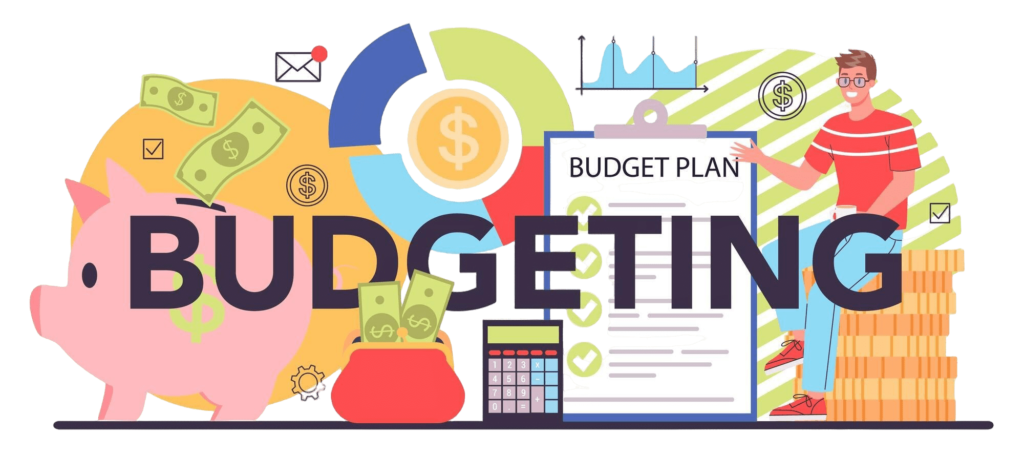
A marketing budget is a financial plan that outlines how much a business will spend on marketing activities over a specific period of time.
This budget includes expenses related to:
• Advertising campaigns
• Content creation
• Marketing software and tools
• Social media marketing
• Search engine optimization (SEO)
• Email marketing
• Branding and design
• Market research
The purpose of a marketing budget is to ensure that marketing investments are planned strategically and aligned with business goals.
Why Marketing Budget Planning Is Important

A well-planned marketing budget offers several advantages for businesses.
Better Resource Allocation
A budget helps businesses distribute resources across different marketing channels based on strategic priorities.
This ensures that marketing efforts are balanced rather than focusing too heavily on a single channel.
Improved Financial Control
Without a defined budget, marketing expenses can quickly become unpredictable.
Budget planning allows businesses to control spending while maintaining consistent marketing activity.
Higher Return on Investment
When marketing funds are allocated based on performance data and strategic analysis, businesses can focus on activities that generate the highest return.
Clear Performance Measurement
A budget also makes it easier to evaluate whether marketing investments are producing meaningful results.
These insights help businesses refine future marketing strategies.
Common Marketing Budget Allocation Areas
Most businesses divide their marketing budget across several key categories.
Paid Advertising
Paid advertising includes digital ads on platforms such as search engines and social media networks.
These campaigns help businesses reach new audiences quickly and generate traffic.
Content Marketing
Content marketing involves creating valuable materials such as blog posts, videos, guides, and social media content.
High-quality content helps attract and educate potential customers.
Marketing Tools and Software
Businesses often invest in tools for analytics, automation, email marketing, social media management, and customer relationship management.
These tools help streamline marketing operations.
Search Engine Optimization (SEO)
SEO involves optimizing websites and content to rank higher in search engine results.
Although SEO requires time and effort, it can generate long-term organic traffic.
Social Media Marketing
Social media marketing includes both organic content creation and paid promotional campaigns.
These platforms help brands build relationships with their audience.
Email Marketing
Email marketing remains one of the most effective digital marketing channels.
Budget allocation may include email automation tools, campaign design, and list management.
How Artificial Intelligence Improves Marketing Budget Planning
Artificial Intelligence has introduced powerful capabilities that help businesses optimize their marketing budgets.
Instead of relying only on assumptions or past experience, AI tools can analyze large datasets and provide data-driven recommendations.
Performance Data Analysis
AI tools can evaluate the performance of past marketing campaigns to identify which channels delivered the best results.
This allows businesses to allocate more budget to high-performing channels.
Predictive Budget Planning
AI systems can predict future marketing performance based on historical trends.
These insights help businesses estimate how much budget may be required to achieve specific marketing goals.
Campaign Optimization
AI-powered platforms can automatically adjust advertising budgets in real time.
For example, if a particular campaign is performing well, the system may increase investment in that campaign to maximize results.
Identifying Cost Inefficiencies
AI tools can detect areas where marketing spending may be inefficient, helping businesses reduce unnecessary costs.

Example: AI-Driven Marketing Budget Allocation
Imagine a company offering digital marketing training programs.
After analyzing marketing data with AI tools, the company might identify the following insights:
• Blog content generates consistent organic traffic
• LinkedIn campaigns attract high-quality professional leads
• Email marketing produces strong conversion rates
• Paid search ads generate immediate traffic but require careful budget management
Based on these insights, the company might allocate its marketing budget as follows:
• 30% for content marketing and SEO
• 25% for paid advertising campaigns
• 20% for social media marketing
• 15% for marketing tools and automation
• 10% for email marketing campaigns
This balanced approach ensures that marketing investments support both short-term and long-term growth.
AI Prompt for Marketing Budget Planning
Businesses can use AI prompts to generate structured marketing budget plans.
Prompt
“Create a marketing budget breakdown for [company name] with [$X budget or percentage of revenue]. Allocate the budget across paid advertising, content marketing, SEO, social media marketing, email marketing, and marketing tools. Explain the reasoning behind each allocation.”
This prompt helps businesses develop a clear budget strategy supported by AI insights.
Tips for Creating an Effective Marketing Budget
When planning a marketing budget, businesses should consider several best practices.
Align Budget with Business Goals
Marketing investments should support the company’s broader growth objectives.
Track Marketing ROI
Businesses should regularly evaluate whether marketing campaigns are producing measurable results.
Maintain Flexibility
Marketing environments change quickly. Budgets should allow room for adjustments when new opportunities arise.
Invest in Long-Term Strategies
While paid advertising can deliver immediate results, strategies such as SEO and content marketing often provide long-term value.
Balancing short-term and long-term investments helps businesses maintain sustainable growth.
Conclusion
A well-structured marketing budget is essential for managing resources effectively and ensuring that marketing investments produce meaningful results.
By planning how funds are allocated across different marketing channels, businesses can improve financial control, increase return on investment, and build stronger marketing strategies.
Artificial Intelligence is transforming marketing budget planning by providing deeper insights into campaign performance and predicting future results.
When businesses combine AI-powered analytics with strategic planning, they can allocate marketing resources more effectively and maximize the impact of their marketing efforts.
A smart marketing budget not only supports current campaigns but also helps build a sustainable foundation for long-term business growth.
Continue Learning
This article is part of our AI Digital Marketing Framework blog series.
To explore the full system with 30 AI marketing prompts covering branding, strategy, website development, SEO, content marketing, social media, advertising, and automation, read the complete guide below.
Read the Full Guide:
The Complete AI Digital Marketing Framework: 30 AI Prompts to Build and Scale Your Marketing Strategy